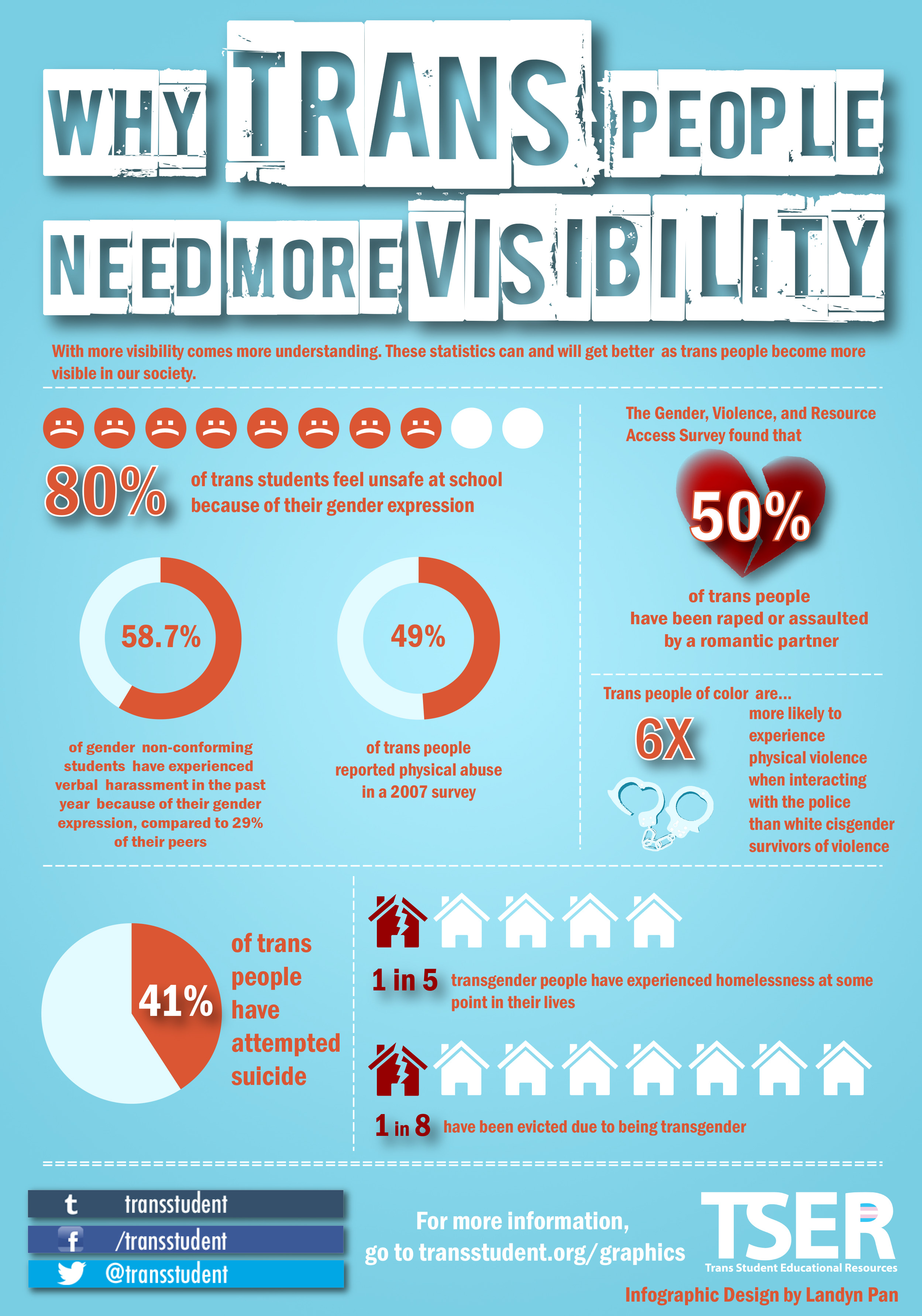
International Transgender Day of Visibility has been celebrated since 2009, meant to celebrate the visible achievements and joy of transgender people. TDOV was created in response to the reality that the only well-known transgender-focused day was Transgender Day of Remembrance, which is a somber day of mourning. These are some of the most impactful and visible transgender people throughout history.

Transgender people have always existed, even when terms like “transgender” didn’t exist. For most of history, transgender individuals have been erased and rewritten as cisgender based on historians’ agendas when writing historical events.
Disclaimer: This post will only contain short biographies of each individual. At some point in the future, I will likely write longer excerpts to fit into my Transgender History series, such as Christine Jorgensen, Mary Jones, and Lili Elbe.
Elagabalus: A Contested Transgender Empress of Ancient Rome
Imperator Caesar Marcus Aurelius Antoninus Augustus, better known as Elagabalus, was a member of the Severan dynasty and became Emperor of Rome at age fourteen, upon the death of her cousin Caracalla. Elagabalus’s short reign is infamous due to her eccentricity, but Elagabalus reentered international news when North Hertfordshire Museum announced it would begin identifying Elagabalus with female pronouns to align with Elagabalus’s wishes during life.
Elagabalus is an interesting person to study. She was emperor for just four years before being assassinated and replaced by her cousin, Severus Alexander. Admittedly, Elagabalus was not a good emperor – but I’d like you to point out a stable fourteen-year-old that would make a good emperor.
She disregarded religious traditions, causing scandal when she brought the cult of Elagabal to Rome and forced political leaders to serve her new deity. Elagabalus made herself the high priest and installed Elagabal as the chief deity of the Roman pantheon over Jupiter. She married five times, including twice to Vesta Vestal Virgin Julia Aquilia Severa. These actions, as well as her other strange habits, estranged Elagabalus from the Senate, Praetorian Guard, and the common public.
Elagabalus’s sexual orientation and gender identity are disputed by scholars since her story was credited by unreliable sources aiming to purposely vilify her. Cassius Dio referred to Elagabalus as a woman and even stated she was happily married to a man named Hierocles.
Upon her union with Hierocles, Elagabalus publicly preferred to be referred to as a woman, lady, and empress. She allegedly wore wigs and makeup, cast out male titles, and offered vast amounts of money to any physician who could provide her sex reassignment surgery.
At age eighteen, Elagabalus’s grandmother, Julia Maesa, determined that her popular support was too low to continue as empress. Maesa successfully conspired to assassinate Elagabalus and her mother, installing her grandson, Severus Alexander, as emperor instead.
Most of Elagabalus’s associates and friends were killed after her assassination, including Hierocles. All religious edicts and artifacts related to Elagabal were reversed and removed. Finally, she was a victim of damnatio memoriae and erased from public record – and would have been entirely forgotten without the works of Cassius Dio, Herodian, and Historia Augusta.
Modern historians are hesitant to identify Elagabalus as female since Dio, Herodian, and Historia Augusta were all antagonistic toward her, creating a greater chance that her gender identity and sexual orientation were fabricated to discredit her. Yet, if we are to trust what little history we have left regarding Elagabalus, she was the first and only transgender empress of Rome.
Marsha P. Johnson & Sylvia Rivera: Revolutionaries of the Stonewall uprising
Marsha P. Johnson is considered one of the founders of American Pride due to her involvement alongside her close friend Sylvia Rivera at the Stonewall Riots. Both Marsha and Sylvia were activists, sex workers, and performers in New York City.
Marsha and Sylvia are identified today as transgender, although they didn’t identify as such during their lifetimes. Transgender people have always existed, and language related to transgender identity did exist for Marsha and Sylvia – but that didn’t mean it was safe for them to identify as transgender. At the end of the day, it was safer to live as a crossdressing sex worker than identify publicly as transgender.
Both women were involved with Street Transvestite Action Revolutionaries, Gay Activists Alliance, and Gay Liberation Front. They were also both involved in the Stonewall Riots, although their exact roles have been turned into queer folktales.
Marsha stated she was committed to appearing as a woman publicly “full-time” during a 1970 interview with Liza Cowan, and began DIY hormone replacement therapy at some point. Similarly, Sylvia identified herself as a “half sister” in her essay “Transvestites.”
Transvestites are homosexual men and women who dress in clothes of the opposite sex. Male transvestites dress and live as women. Half sisters like myself are women with the minds of women trapped in male bodies.
– Transvestites: Your Half Sisters and Half Brothers of the Revolution, Sylvia Rivera
After the dissolution of STAR, Marsha and Sylvia found purpose in AIDS activism during the pandemic, forced to watch their loved ones die. Marsha became highly involved in local theater productions, performing with the Angels of Light and the Hot Peaches.
Marsha was found dead in the Hudson River in 1992 after disappearing under mysterious circumstances at age 46. New York police originally ruled her death a suicide, but films like Pay It No Mind, The Death and Life of Marsha P. Johnson, and Happy Birthday, Marsha! reevaluated her death as a potential murder.
Sylvia reported that she never believed Marsha’s death was a suicide, stating that they had a pact to “cross the River Jordan together.” Other people close to Marsha, such as Jeremiah Newton and Kohler, speculated that Marsha may have been experiencing a mental breakdown and attempted to cross the Hudson River. Randy Wicker, who had been living with Marsha for 12 years, stated four men had been harassing Marsha on a pier the night she disappeared.
Sylvia passed away in 2002 at the age of 50 due to complications of liver cancer at St. Vincent’s Hospital. On the day of her death, it’s reported that Sylvia had been meeting with Empire State Pride Agenda delegates to advocate for transgender rights to be included in New York’s Sexual Orientation Non-Discrimination Act.
Laverne Cox: Mainstream Breakthrough in Television; Caitlyn Jenner: Visibility, Controversy, and Public Debate
Both Laverne Cox and Caitlyn Jenner are considered prominent trailblazers from the 2010s – they’ve had considerable impacts on transgender visibility, even though they’re near complete foils to each other.
Laverne is a celebrated actress who drew international attention from her role as Sophia Burset in Orange Is the New Black, becoming the first transgender actress to ever be nominated for an Emmy award. Orange Is the New Black was a huge show seen by millions – so Laverne’s appearance brought transgender representation mainstream.
In 2014, Laverne was the first transgender person to appear on a Time magazine cover next to the headline “The Transgender Tipping Point: America’s Next Civil Rights Frontier.” By 2018, Laverne also appeared on the cover of Cosmopolitan as the first transgender person and was the first openly transgender person included in Madame Tussauds’ wax museum.
Laverne has used her celebrity status to heighten visibility for transgender people amongst the general public, hoping to normalize trans experiences. She’s also been a frequent critic of anti-transgender legislation, such as bathroom bills and discrimination protections.
Caitlyn Jenner returned to international headlines around the same time as Laverne when she came out as transgender, disrupting people’s assumptions about the retired Olympic gold-medal decathlete. Caitlyn appeared on the cover of Vanity Fair magazine under the headline “Call Me Caitlyn,” alongside her Diane Sawyer interview on ABC 20/20.
Most transgender people admire Laverne Cox; few like Caitlyn. It largely comes down to Caitlyn’s political views, lack of personal struggles, or relatability. Caitlyn was able to come out “fully transitioned” in the eyes of the public, missing any awkward transition phase before she appeared on Vanity Fair.
She’s a reality television star and has access to considerable wealth to transition. Normal transgender people have to jump through hoops to access gender-affirming care like hormone replacement therapy and surgery – Caitlyn has the funds to just pay for care out of pocket. Charity programs exist because so many transgender people are unable to afford clothes, basic medical services, or housing. Caitlyn’s representation of transgender people isn’t a normal transgender life.
In contrast, Laverne came out as transgender much earlier in life and had to struggle towards her best-known roles. For most, Caitlyn appears superficial, like how most people view reality personalities to begin with.
It doesn’t help that Caitlyn is also a proponent of respectability politics, conservative ideas, and generally an assimilationist. She is a strong Republican and a Trump supporter, arguing that transgender people must be more palatable to be afforded civil rights.
Regardless, both Caitlyn and Laverne sped up transgender visibility. Caitlyn is divisive, but her coming out was all anyone talked about for the next year. Laverne’s impact was gradual, integrating her performances in mainstream media to push Americans to be accustomed to transgender identity.
Petra De Sutter: One of the Highest-Ranking Transgender Politicians
Serving as Deputy Prime Minister of Belgium from October 1st, 2020, until February 3rd, 2025, Petra De Sutter is the first large-scale transgender politician. She served under Alexander De Croo after five years in the Belgian Senate.
Petra also served as a Member of the European Parliament during the year leading up to becoming Deputy Prime Minister. She’s part of the Groen Party, focused on strong environmentalism and human rights.
After her term as Deputy Prime Minister, Petra was elected as rector of Ghent University. Before her political career, Petra was a professor of gynaecology at Ghent that led to her expertise regarding the effects of pollution on the human body and fertility.
Elliot Page: Redefining Visibility for Transgender Men
Elliot Page has starred in numerous roles both before and after his public transition, making him arguably the most high-profile transgender man currently in the world. Like Laverne, Elliot has an extensive filmography – but he’s most known for his appearances in X-Men, Juno, and The Umbrella Academy.
Compared to transgender women, transgender men are still almost entirely invisible to the general public – which has its pros and cons. Transgender women are more visible, but that visibility comes with targeted antagonism used to vilify them and create anti-transgender narratives. However, being invisible doesn’t make transgender men necessarily safer.
Elliot came out as transgender in 2020 during production of The Umbrella Academy, which was incorporated into his role as Viktor Hargreeves. The following year, Elliot became the first transgender man to appear in Time magazine.