Category: Resource & Information

  • Hormone Replacement Therapy 201

    Hormone Replacement Therapy 201

    Know the basics about hormone replacement therapy but feel like there’s still more to learn? Previously, I wrote about the basics of HRT – the process of taking prescribed synthetic testosterone or estrogen to align one’s physical body and sex characteristics with their gender identity. Despite the GOP’s war on transgender people, HRT has been firmly backed by medical science for nearly a century as the best treatment to prescribe. No amount of conversion therapy or repression is as effective nor humane as accessible trans-affirming care – and ‘trans regret‘ and ‘social contagion‘ theories have been repeatedly debunked by scientific research.

    DISCLAIMER: This post is for informational purposes only and does not provide professional advice. Always seek the advice of a qualified healthcare provider with questions regarding medical conditions or treatments.


    What’s the difference between HRT 1.0 and HRT 2.0?

    My previous post explained the basics of hormone replacement therapy, puberty blockers, common myths, and recommended routes to accessing legal HRT via informed consent and written letters.

    In today’s political climate, it may not be possible to access HRT through traditional legal routes. In contrast to my previous post, HRT 2.0 provides an overview of alternative routes – but remember the above disclaimer and be mindful of the legal risks involved. When possible, always get HRT prescribed through traditional legal routes. Don’t take risks when they aren’t necessary. For American adults, we are currently still at a point where it is feasible – and safer – to obtain HRT through mainstream doctors. Even when there are no local doctors physically available, telehealth now offers transgender folks the ability to get legal prescriptions online.

    “DIY HRT” is the practice of obtaining and administering hormone replacement therapy without a licensed medical provider or prescription. Today, it’s fairly rare within the United States as long as individuals have physical and financial access to a provider, but it was the most common method for transgender folks decades ago when most healthcare professionals were unwilling to prescribe HRT. Beyond the US, DIY is still a common practice in countries where transgender identity is strictly regulated or criminalized.

    By nature, DIY HRT communities are difficult to find on the mainstream internet, but they aren’t impossible to find. In addition to the medical disclaimer, DIY HRT communities are not open to minors. You might be able to find basic information, but these communities are already on high alert due to their potentially illegal nature and therefore generally unwilling to have open discussions with individuals under the age of 18. DIY HRT and its legality vary drastically by country – even within the United States, synthetic estrogen and testosterone have different laws applied to them. Throughout most of the world, possession of HRT isn’t a criminal offense, unlike the trade of unprescribed medication. To circumvent this, this article uses the same logic as most DIY communities on the clear web – this article is for purely informational purposes, and I do not endorse DIY HRT. As mentioned above, I actually advise getting your hormones from a licensed provider when possible.

    Is DIY HRT Dangerous?

    Anecdotally, it’s generally safe. All medicines and procedures carry some inherent risk, and hormone replacement therapy is no different. Traditional HRT carries no substantial medical risk compared to cisgender people, although there are (often discredited) doctors who will attribute unrelated issues to being on HRT.

    DIY HRT isn’t much different as long as you know the potential risks and benefits of basic hormone therapy. The largest health risks associated with DIY are reduced by monitoring and appropriately adjusting your hormone levels through regular blood work – a process you’d normally do with a licensed provider, too. Blood tests are not negotiable; most external signs cannot feasibly identify whether you’re on a safe or unsafe dose. Monitoring your levels protects your long-term health.


    Where do I learn more about DIY HRT?

    For clear web users, there are two sources: r/TransDIY and The DIY HRT Directory. The Directory provides details on medication levels, distributors, and blood work, whereas r/TransDIY offers an open forum for discussions and questions in addition to general guides. The Directory currently does not offer any contact feature, so you should visit r/TransDIY for support.

    Transmasculine DIY

    For basic information about testosterone-related HRT and effects, read HRT 1.0 or check out these sources from Planned Parenthood, University of California San Francisco, Rainbow Health Ontario, Trans Hub, them, Healthline, GenderGP, and FOLX.

    The most common form of synthetic testosterone is injection-based, usually as testosterone propionate, testosterone cypionate, or testosterone enanthate. Both cypionate and enanthate have long half-lives (which determines the length of time the testosterone will last in your body). Gels are rare, but occasionally possible to find – although it is difficult to source the amount of gel needed for appropriate hormone levels.

    For all forms of HRT, you begin on a much lower dose initially and progress to a stable regular dosage based on your blood work. Most medical providers mimic the natural hormone cycle of cisgender men, putting individuals on a low dose before increasing over the first few years, and then slightly lowering to a long-term level.

    DOSAGE

    Low DoseInitial DoseTypical Maximum
    Testosterone Cypionate20 mg per week IM/SQ50 mg per week IM/SQ100 mg per week IM/SQ
    Testosterone Enanthate20 mg per week IM/SQ50 mg per week IM/SQ100 mg per week IM/SQ

    For more info on dosages, mainstream providers have guides available online for informed consent purposes.

    Do NOT try to achieve a higher dose than what is needed. In addition to long-term health risks, high hormone doses are subject to the possible ‘spillover effect’ (clinically known as aromatization), where excess HRT will convert to your naturally produced sex hormone (aka estrogen).

    Vials of injectable testosterone are often compounded as 200 mg/mL, 250 mg/mL, or 300 mg/mL. In common language, in a 200 mg/mL vial, there is 200 mg of testosterone in each milliliter. If the vial contains 10 milliliters of liquid testosterone, there are 2,000 milligrams of total testosterone in that vial.

    Due to this, you will have to do math to calculate exactly how much liquid to inject to achieve your target dosage. Medical providers would calculate this for you, but you’ll have to do so when calculating for DIY. The formula used is: (amount you want to inject) ÷ (concentration of the vial) = amount to inject per dose in mL.

    EXAMPLE:
    John has acquired a 200 mg/mL vial of testosterone and wants to have a 50 mg per week dose.
    (50) ÷ (200) = 0.25
    Based on the above formula, John should inject 0.25 mL per injection.

    Since injectable testosterone is fairly thick, it requires a thicker needle for proper injection. For intramuscular injections, it is recommended to use needles between 1″ to 1.5″ in length and 23-25g gauge (needle thickness). Subcutaneous injections should use needles between 1/2″ to 5/8″ in length and 25-30g gauge.


    Transfeminine DIY

    For basic information about estrogen-related HRT and effects, read HRT 1.0 or check out these sources from Trans Hub, Healthline, FOLX, Rainbow Health Ontario, Mayo Clinic, UVA Health, and University of California San Francisco.

    Compared to transmasculine DIY, which usually only requires injecting and monitoring testosterone levels, effective transfeminine HRT requires both synthetic estrogen and testosterone blockers.

    Additionally, estrogen can be ‘homebrewed’ rather than purchased through a pharmaceutical company unlike testosterone (which cannot be produced at home). Within the DIY community, estrogen is commonly ‘homebrewed.’ Homebrewed estrogen is produced by individuals through raw estradiol ester/bicalutamide/etc powder. Pharmaceutical-grade estrogen is produced by legitimate pharmaceutical companies – these forms of estrogen are widely considered safer, but they are more expensive than homebrewed sources.

    The most common form of estrogen is pill-based – they’re the most prescribed by licensed doctors and also the easiest to DIY. Synthetic estrogen does not harm the body the same way testosterone does in pill form, which is why transmasculine folks opt for injection routes. Always use bioidentical estrogens such as estradiol hemihydrate or estradiol valerate. Never use non-bioidentical estrogens for HRT. Estrogen can also be taken as a gel, patch, or injection – pills are cheapest per month, while injections are cheaper annually or long-term.

    The most common testosterone blockers (antiandrogens) are pills that must be swallowed, which include spironolactone, cyproterone acetate, and bicalutamide. Spiro is the most famous, but is considered a weak (but much safer) antiandrogen. Cypro and bica are considered strongly effective but must be used with caution due to harsher health risks.

    DOSAGE

    The following guidance is considered a higher-than-average regimen than what most individuals may use. Adjust accordingly based on blood testing.

    REGIME 1Cyproterone acetate | 6.25-12.5 mg per dayEstradiol | 3 mg twice per day
    REGIME 2Bicalutamide | 50 mg per dayEstradiol | 3 mg twice per day

    For DIY cypro, you will need a pill cutter to create the above dosage. If your testosterone levels are not adequately suppressed, increase your estrogen dosage.

    Bica may cause blood testosterone levels to INCREASE slightly, so make sure your T is adequately blocked. 50mg is advised as generally adequate for testosterone suppression when combined with estradiol.

    For more info on dosages, mainstream providers have guides available online for informed consent purposes.

    Do NOT try to achieve a higher dose than what is needed. In addition to long-term health risks, high hormone doses are subject to the possible ‘spillover effect’ (clinically known as aromatization), where excess HRT will convert to your naturally produced sex hormone (aka testosterone).


    Sourcing & Supplies

    How do you find DIY HRT? Considering its legal status, it can be difficult to find – the following information and links are from major sources like r/TransDIY and the Directory. The Directory has not been updated in a few years, but r/TransDIY continues to be moderated – check its information for the most current verified distributors.

    Injection Supplies

    It’s fairly easy to get syringes and injection equipment – you don’t need a prescription to access them. Most countries allow you to purchase needles from any pharmacy, although you may need to speak directly with a pharmacist. Online, Amazon is the most popular source for American DIY users.

    Amazon states needles are ‘not suitable’ for human use – but this is untrue and put to skirt around American Amazon regulations that prohibit the sale of medical supplies.

    Medications

    Listed below are the most common and reputable pharmaceutical distributors for DIY HRT. Use extreme caution if using a source that is not listed below or on either r/TransDIY or the Directory. Most in the DIY community purchase legitimate pharmaceutical-grade medication from foreign companies that permit the sale of these drugs internationally. To use these companies, you will have to learn how to buy cryptocurrency like Bitcoin or utilize an international system like Zelle or MoneyGram.

    hrtcafe.nethrt.coffeediyhrt.market
    Alpha North LabsRoidBazaar IntSteroids UK

    When purchasing HRT internationally, it is best practice to buy small amounts in case it is confiscated by customs. Individuals are rarely prosecuted or arrested for attempting to order international HRT, but your shipment can be seized. By ordering in small amounts, you reduce the amount lost when seized. Domestic purchases are not screened like international shipments, so there is little to no risk of losing your order.

    Another route for DIY-ish HRT is stockpiling, which works well alongside informed consent and other methods of obtaining legal HRT. Since hormones are prescribed at an exact dose by providers, there are two ways to stockpile HRT from stockpile-adverse providers (although there is a growing number of providers that understand the volatile political climate transgender Americans are facing and why folks want to stockpile). Both methods described below are slow processes – you’re not going to be able to stockpile overnight through your provider.

    • By purposely taking less than your prescription in the days leading up to blood testing by your provider, your hormone levels will show up as low. In response, most providers will prescribe an increased dose to stabilize your levels. Once prescribed, individuals return to their former dosage regime and save the excess for future use.
    • Some individuals purposely take a lower dose regularly than their prescription to save the excess for stockpiling. This method is used when an increased prescription cannot be received but will result in slower transition, similar to the effects of low-dose HRT.

    If possible, do not travel with DIY HRT – especially testosterone. Testosterone is strictly regulated compared to estrogen, and unprescribed medication can be charged as possession of a controlled substance if found by airport security. If you MUST travel, clearly label your testosterone in a large clear Ziploc bag and throw in over-the-counter medication like aspirin and allergy meds alongside in the bag. Airport security will be less likely to hound you for a prescription. If you are arrested, do not say anything to the police and contact a lawyer as soon as the opportunity is presented.


    Blood Testing

    Especially when beginning HRT, blood testing is recommended every three months – although every six months becomes more common later on. For DIY, you should get a blood test after one month on HRT and then every three months. It is advised to find a healthcare facility local to your location for blood testing, although you may have to ask to manually see your results. For accurate results and monitoring purposes, ALWAYS get your estradiol (E2) and total testosterone (T) tested every time. Additional information from blood tests are useful for monitoring potential side effects of HRT, but not as mandatory.

    Transfeminine

    Testosterone levels should range at 50 ng/dL or lower and estradiol should range at 100 pg/mL or above.

    Transmasculine

    Testosterone levels should range between 300-1,000 ng/dL and estradiol should range between 10-50 pg/mL. Unlike transfeminine HRT, testosterone hormone therapy naturally lowers naturally produced estrogen more easily.

  • HIV: How can young people protect themselves?

    HIV: How can young people protect themselves?

    April 10th is National Youth HIV and AIDS Awareness Day, also known as NYHAAD, a yearly observance by the CDC to promote sexual health programs within the United States. NYHAAD was proposed in 2013 through Advocates for Youth since approximately 19% of new HIV diagnoses are from individuals between the ages of 13 and 24 – which is also the age group least likely to get tested or be aware of their HIV status.

    Advocates for Youth has its own site on resources and national events related to National Youth HIV/AIDS Awareness Day. Check out their website from ambassador highlights to film screenings for in-depth resources on youth-focused sex education.

    As many readers know, HIV also disproportionately affects LGBTQIA+ people – it was once referred to as the “gay plague” during its early years when thousands of queer people were being killed each year while government-funded research facilities pushed the harmful belief that HIV was a divine punishment ordained by God. All marginalized groups are at higher risk of contracting HIV, culminating from a lack of educated doctors, accessible testing, preventative medicine like PrEP and PEP, and public knowledge. Ultimately, this means that young queer people are at an exceptionally higher risk of HIV – especially transgender youth of color.

    Despite heightened rates reported by the CDC, they also found that only 6% of high school students had ever been tested for HIV. Most people are never offered an HIV test when visiting a healthcare provider’s office – there’s often very little signage and educational material present advertising HIV prevention and its risk and even fewer offices discuss HIV with their patients unless they believe they’re a ‘high risk.’ Unfortunately, this process is based on stereotypes even among healthcare providers well-educated on HIV versus reality – so lots of folks fall through the cracks. The CDC recommends all individuals, regardless of sexual orientation, gender identity, age, class, race, ethnicity, or background, be tested for HIV at least once in their life. Certain people are advised to be tested regularly based on their sexual activity – as a general note, the CDC says the following people should be tested for HIV at least once per year:

    • Men who have had sex with other men.*
    • Individuals who have had anal or vaginal sex with someone who is living with HIV.
    • Individuals who have had sex with more than one partner since their last HIV test.
    • Drug users who share injection equipment, like needles, syringes, and cookers.
    • Individuals who have had sex for money, drugs, or housing.
    • Individuals who have been diagnosed with another STD/STI, hepatitis, or tuberculosis.
    • Anyone who has had sex with someone who has done one of the above things or you’re unsure about their sexual history.

    In February 2025, the Trump administration tried to remove mentions of LGBTQIA+ people from official government websites – including the CDC. Federal courts have rebuked this decision as purposeful misinformation of scientific research and forced the administration to restore previous web pages, although they have altered some of the sites and added a political anti-science disclaimer stating the agency denounces transgender people alongside the Trump administration.

    All governmental information and research regarding HIV was targeted by this purge – I’m unsure whether the first statement was present before the restoration since it’s not aligned with current HIV advocacy and data. Most organizations disagree with blanket stereotypes for HIV and testing based on sexuality, instead pushing for non-discriminatory testing requirements based on sexual activity. This can be seen in the change in the Red Cross’s policies allowing queer men to finally donate blood after decades of permanently banning them for “having had sex with men” since data shows such practices do not effectively reduce HIV risk during blood donation.


    HIV 101: The Basics

    In today’s world, most people have a basic understanding that HIV exists, that it’s an STD, and it disproportionately targets queer men. Other than that, knowledge varies drastically since HIV isn’t covered in many public school sexual education programs (and several states don’t have sex ed) and most healthcare providers do not bring up HIV unless they believe they have enough reason to do so.

    As mentioned earlier, anyone can be affected by HIV – the virus doesn’t discriminate based on sexual orientation, gender identity, race, ethnicity, age, class, education, religion, neighborhood, etc. There is no singular way to ‘tell’ if someone has HIV other than getting tested: most people don’t experience symptoms until HIV has developed into AIDS years later. Lastly, HIV won’t kill you – while living with HIV will greatly change your life, people live long, happy, and fulfilling lives with HIV when taking prescribed medication to treat the virus.

    Want to learn more about HIV? Read this post here or check out one of the sources below.

    How do we prevent HIV among young people?

    Education is crucial. Teaching youth about HIV and safe sex is the first step in reducing the spread of STDs, including HIV. Despite this reality, many schools, politicians, and religious figures argue that comprehensive sex education encourages young people to have sex. This is fallacious – data shows that folks will have sex regardless, but it is possible to reduce STDs and unplanned pregnancies by giving them the tools to have safe and healthy relationships.

    Accessibility is just as important. Most people know what they ought to do, whether it’s safe sex or recycling plastic. However, they’re unlikely to do it unless it is convenient – it’s human nature. Convenient testing is offered at regular healthcare visits, community centers, and even social events like local drag shows and pride events. Some organizations offer incentives for testing like free entry to an event, gift cards, vouchers, or coupons to engage folks in testing when they may otherwise be too hesitant. Making condoms free and easy to access discreetly without shame encourages people to practice safe sex. Preventative medicines like PrEP and PEP are most impactful when folks have access to those medicines when they need them – whether it’s by visiting a local pharmacy or getting it mailed directly to their house.


    Where do I get tested for HIV?

    You can only get treatment for HIV if you’ve tested positive, which requires you to get tested in the first place – so seeking testing is the first step to protecting your health. The earlier someone gets diagnosed, the sooner they can access life-saving treatments to manage their HIV.

    Greater Than (linked above) is one of the largest public health campaigns in the United States that provides detailed resources in partnership with the CDC. Click above to be redirected to their website, which locates HIV testing, PrEP providers, and support services locally by zip code. Greater Than also connects individuals to health insurance information to educate users on state laws dictating coverage.

    IRL testing isn’t for everyone – that’s why the CDC also sponsors the Together TakeMeHome program to ship free HIV tests directly to homes throughout the United States. These tests are done via an oral swab with saliva to give results within 20 minutes, and the program provides two free tests to individuals every 90 days. Together TakeMeHome has been providing free tests since early 2023, so click the button below to learn more about how to use their services.

    Together TakeMeHome is currently operating, although it can only do so through government funding. Due to the current political climate and attacks by the Trump administration on other HIV programs, it’s not impossible to consider the possibility that the program could be shut down in the future. Most LGBTQIA+ community centers also provide HIV testing for free, and many cities offer similar programs to Together TakeMeHome with mail programs to increase HIV testing in their area.


    Know Your Rights: Young People, HIV, and the Law

    In the United States, all individuals with HIV are protected by the Rehabilitation Act of 1973 and the Americans with Disabilities Act of 1990, which is enforced by the Department of Health and Human Services and the Office for Civil Rights. These laws prohibit any anti-HIV discrimination by healthcare and human services agencies that receive federal funding, as well as any discrimination by state or local governments – including services, activities, or programs provided by state or local governments. Anyone can file a report with the Office for Civil Rights online or by mail.

    In all US states, minors have the right to consent to HIV and STD testing and treatment without a guardian’s permission. Generally, youth have the right to get tested (and receive HIV medication) without telling their parents. However, these laws vary on whether you have the right to access preventative services like PrEP without parental consent. There are no state or federal laws that explicitly prohibit minors from accessing PrEP, but you should search for laws specific to your state for details.

    Many states don’t have health confidentiality protections for minors, so it’s extremely likely for your guardian to find your status if you get tested at your primary provider – especially if your doctor bills your family’s insurance company for the test. For this reason, many LGBTQIA+ community centers provide free confidential HIV testing to encourage youth to get tested without fear that their authority figures will discover they got tested.

    While many US states and territories require you to disclose your HIV status, you’re only required to disclose it to certain people. At the time of this article, thirteen states require you to disclose your status to potential sexual partners, while four require disclosure to anyone you share a needle with.

    Depending on the state, failure to disclose status can lead to life in prison. You do not have to disclose to anyone else – including your family or friends. While most American employers have the right to ask about your health in certain fields, you don’t have to disclose it to your workplace in most cases. The Americans with Disabilities Act protects you from anti-HIV discrimination – which means hiring managers can’t ask you about your health and companies have to make reasonable adjustments as needed. These protections also apply within education, so you’re not required to disclose your HIV status to anyone at school unless you reside in a state requiring disclosure for potential sexual partners or needle sharing.

    The Fair Housing Act makes anti-HIV discrimination in US renting and housing entirely illegal. No one can be legally denied housing, harassed, or evicted due to HIV status.

    Also at the time of this article, people living with HIV cannot be denied healthcare in the United States. Healthcare insurance must cover pre-existing conditions like HIV and cannot cancel your policy because of a new diagnosis. The Affordable Care Act (also known as Obamacare) prohibits such discrimination within healthcare, and HIV medications, lab tests, and counseling have to be covered.


    Hotlines & Resources

    AIDS Drug Assistance Program@ adap.directory / Patient-centric project that provides HIV-related services and prescription medication to hundreds of thousands of people in the United States by linking individuals with their local state or territory agency.

    AIDS Healthcare Foundation @ aidshealth.org / 323-860-5200 / International nonprofit based in Los Angeles that operates a network of HIV services in over 40 countries across Latin America, Africa, Asia, and Europe.

    Asian Pacific AIDS Intervention Team @ apaitssg.org / Grassroots AIDS service organization centered on Asian and Pacific Islanders with HIV, based in the United States.

    Bienestar Human Services @ bienestar.org / US community-based social services organization that caters to Latino Americans living with HIV, especially LGBTQIA+ Latino Americans.

    Black AIDS Institute @ blackaids.org / Think tank that aims to end the HIV/AIDS epidemic in the Black American community through awareness messaging, information, and robust programs.

    CDC-INFO @ cdc.gov / 800-232-4626 / Live support to help Americans find the latest and reliable science-based health information, including CDC guidance and resources.

    Global Network of People Living with HIV @ gnpplus.net / Network operated by people living with HIV for people living with HIV, regardless of geographic location.

    HIV/AIDS/Hepatitis C Nightline / 800-273-2437 / US hotline providing support for people living with HIV or Hepatitis C as well as their caregivers.

    HIV. GOV @ hiv.gov / Offers information about HIV/AIDS prevention, treatment, and resources for anyone in the United States.

    HIV.GOV Service Locator @ locator.hiv.gov / Location-based search tool managed by the United States Department of Health and Human Services to allow anyone to find local HIV testing services, housing providers, health centers, PrEP, PEP, and other related needs.

    HIV Management Warmline / 800-933-3413 / Non-emergency telephone service for questions about HIV, antiretroviral therapy, HIV clinical trials, and laboratory evaluation in the United States.

    International AIDS Society @ iasociety.org / Research-based organization that develops holistic approaches to HIV/AIDS treatment and prevention.

    International Planned Parenthood Federation @ ippf.org / 202-987-9364 / Global healthcare provider that has been a leader in sexual and reproductive health for all since 1952.

    Latino Commission on AIDS @ latinoaids.org / Nonprofit organization in response to the critical unmet need for HIV prevention, treatment, and education in the Latino community in the United States.

    LGBT National Help Center @ lgbthotline.org / 888-843-4564 / Free and confidential peer support, information, and local resources where volunteers help connect you to other groups and services in the US. Also maintains a coming out hotline, youth talkline, and senior hotline.

    National AIDS Hotline / 800-243-2437 / Federal hotline to refer the general American public to relevant state and local resources.

    National AIDS Treatment Advocacy Project @ natap.org / 212-219-0106 / Nonprofit corporation in the United States that educates individuals on HIV treatments on the local, national, and international levels.

    National Clinician Consultation Center @ nccc.ucsf.edu / 833-622-2463 / Teleconsultation resource that educates US healthcare providers with information and answers on HIV and Hepatitis C.

    National Minority AIDS Council @ nmac.org / Advocacy nonprofit that provides training and resources catered to marginalized communities in the United States.

    National Native HIV Network @ nnhn.org / Indigenous-led network that mobilizes American Indians, Indigenous Americans, Alaska Natives, and Native Hawaiians towards community action.

    NIH Office of AIDS Research @ hivinfo.nih.gov / 800-448-0440 / Confidential answers to questions on HIV/AIDS clinical trials and treatment in the United States.

    PEPline / 888-448-4911 / Hotline for individuals interested in information about PEP, especially those who have been possibly exposed to HIV while on the job in the United States.

    Perinatal HIV Hotline / 888-448-8765 / Resource hotline available 24/7 in the United States for pregnant people living with HIV to find answers and tools.

    Positively Trans @ transgenderlawcenter.org / Program through the Transgender Law Center to support transgender people living with HIV in the United States.

    Positive Women’s Network @ pwn-usa.org / Advocacy and resource organization for women living with HIV.

    PrEPline / 855-448-7737 / Hotline about how to start, continue, or manage use of PrEP for HIV within the US.

    Ryan White HIV/AIDS Program @ ryanwhite.hrsa.gov / National services and resources for low-income individuals living with HIV in the US.

    TheBody.com Hotline @ thebody.com / News site based in New York that centers on publishing HIV-related information.

    The Trevor Project @ thetrevorproject.org / 866-488-7386 / The leading suicide prevention and crisis intervention organization centered on LGBTQIA+ young people in the United States. Offers 24/7/365 information and support to those ages 13 to 24 with trained counselors via call, text, or instant message.

    The Well Project @ thewellproject.org / United States nonprofit that primarily supports women and girls living with HIV/AIDS.

    Trans Lifeline @ translifeline.org / 877-565-8860 / Transgender-centered crisis organization that does not use involuntary intervention/forced hospitalization to provide support to transgender people through fully anonymous and confidential calls within the United States and Canada.

    UNAIDS @ unaids.org / 41-22-595-59-92 / International agency that seeks to end AIDS as a public health threat by 2030 and has operated since 1996 to assist the United Nations in combating HIV and AIDS.

  • Trans History: Federalist Era

    Trans History: Federalist Era

    CONTENT WARNINGS: ⛓️ Slavery, 🚓 Prison

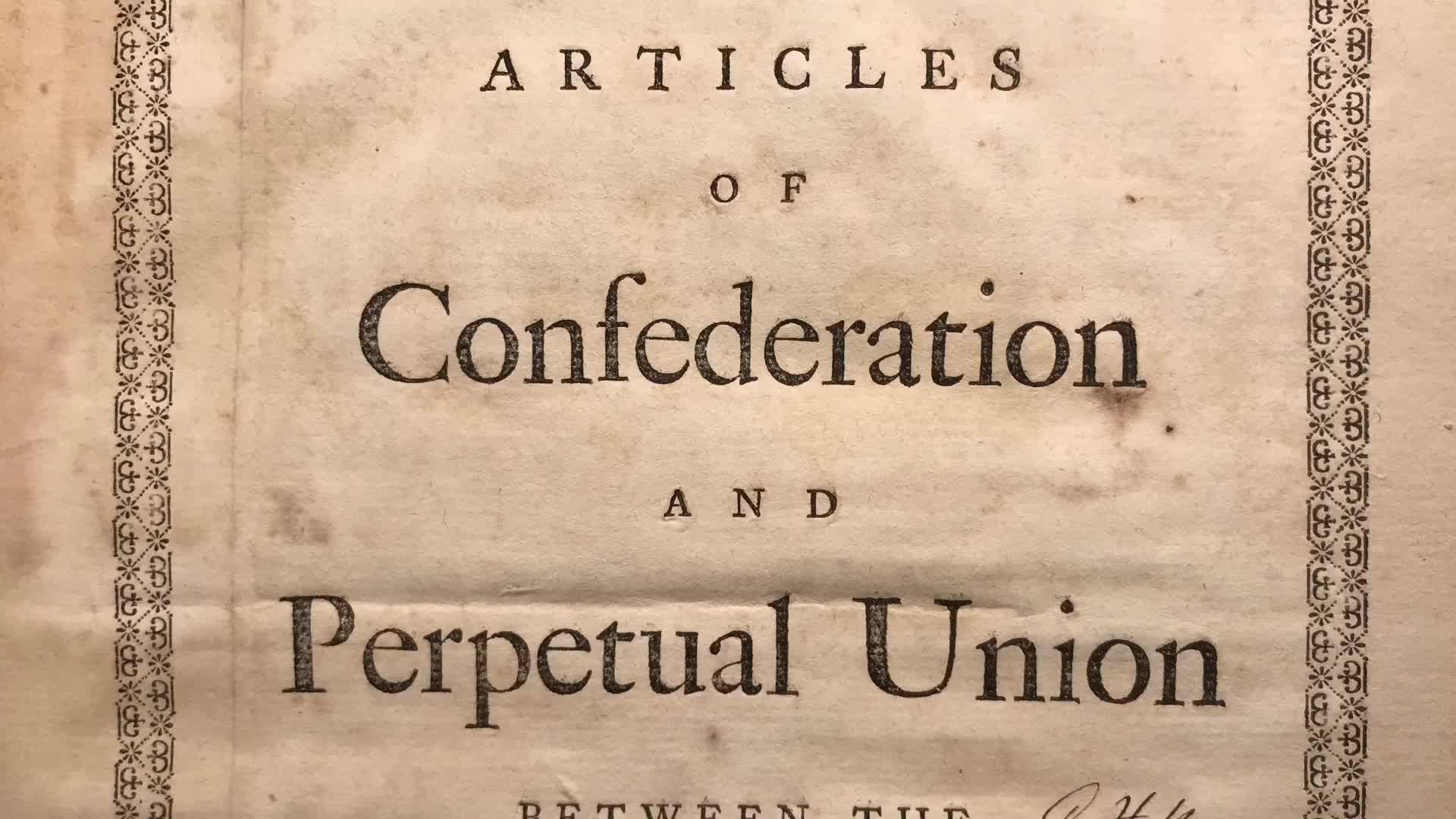
    After the civil unrest and turmoil of the American Revolution and following the confederation period, the United States settled into a more relaxed period from 1788 to 1801 referred to occasionally as the Federalist Era. The Federalist Party was in power under George Washington and John Adams, using nationalism and the failure of the Articles of Confederation to establish a strong central government.


    The Interesting Narrative of the Life of Olaudah Equiano

    Olaudah Equiano, who was known for most of his life as Gustavus Vassa, was an enslaved Black writer who was taken from present-day Nigeria to the Americas. In 1766, Equiano purchased his freedom and became a leading figure within the British abolitionist movement in London through the Sons of Africa – and his most notable work, The Interesting Narrative of the Life of Olaudah Equiano, became widely successful after publication in 1789. The Interesting Narrative sold so well that it contributed towards helping pass the British Slave Trade Act 1807 which officially abolished slavery in the British Empire.

    The Interesting Narrative also sold in the United States of America, even though Equiano is associated with the British abolition movement. Opposition to slavery existed before the founding of the United States, and Equiano’s work inspired many American abolitionists. However, The Interesting Narrative describes multiple same-sex relationships Equiano had with other men – although this was quickly edited in later publications to fit heterosexual ideals.

    “There was on board the ſhip a young lad who had never been at ſea before, about four or five years older they myſelf: his name was Richard Baker. He was a native of America, had received an excellent education, and was of a moſf amiable temper. Soon after I went on board he ſhewed me a great deal of partiality and attention, and in return I grew extremely fond of him. We at length became inſeparable; and, for the ſpace of two years, he was of very great uſe to me, and was my conſtant companion and inſtructor. Although this dear youth had many ſlaves of his own, yet he and I have gone through many ſufferings together on ſhipboard; and we have many nights lain in each other’s boſoms when we were in great diſtreſs.” – The Life and Adventures of Olaudah Equiano

    Equiano lived a great deal of his life in the Americas, and his published work shows that same-sex relationships were not uncommon among enslaved people – especially since they were not allowed to marry or pursue formal relationships like their captors. If he had access to today’s language, Equiano would likely have identified as bisexual. We can also use Equiano’s experiences to cement the fact that queerness was purposely censored in the Americas and Britain since Mott later revised The Interesting Narrative to depict Equiano’s romantic love as purely platonic.


    America’s First Penitentiary: Queers Behind Bars

    The Federalist Era marks the beginning of ‘real’ America as its own nation, which includes the use of the American prison system. In 1790, Philadelphia established the first penitentiary while it served as the national capitol, offering a replacement for capital punishment for crime at the new Walnut Street Prison. However, solitary confinement was chosen as the primary punishment for crime – cemented when Reverend Louis Dwight began a campaign over the rise in queer sex in New England and an all-time low of sodomy arrests. Jen Manion writes in Liberty’s Prisoners: Carceral Culture in Early America, “Pennsylvania officials didn’t really care why men desired each other, especially while the entire prison system was in chaos. But they seized upon this critique, the idea that men – crowded together in cells – corrupted each other at night. These officials launched a full-scale campaign in favor of complete and total solitary confinement.”

    This abuse of solitary confinement against LGBTQIA+ people is an American tradition. In 2015, Black and Pink found that 85% of queer and transgender people behind bars were put in solitary – some out of choice for personal safety and others as an unjust punishment. In comparison, just 6% of the general prison and jail population is held in solitary confinement.


    AFAB During Federalism

    Queer women, as well as women as a whole, are left to the footnotes when discussing history. In 1793, Moreau de Saint Méry wrote about his experiences while living in the United States – breaking the historical belief that same-sex attraction didn’t exist among early American women: “Although in general one is conscious of widespread modesty in Philadelphia the customs are not particularly pure, and the disregard on the part of some parents for the manner in which their daughters form relations to which they, the parents, have not given their approval is an encouragement of indiscretions which, however, are not the result of love, since American women are not affectionate… I am going to say something that is almost unbelievable. These women, without real love and without passions, give themselves up at an early age to the enjoyment of themselves; and they are not at all strangers to being willing to seek unnatural pleasures with persons of their own sex.”

    It’s interesting that Méry is so stunned by this development – his homeland, France, is just as queer as the rest of Europe. While transness was not accepted, Méry lived during the same period as Chevalière d’Éon – so why did Méry find queer American women ‘almost unbelievable’?

    In 1799, Samuel Johnson was arrested for housebreaking and sentenced to three years in Walnut Street Prison. When Johnson was arrested, he was discovered to be assigned female at birth yet purposely dressed and identified as a man. Johnson “had accustomed herself to wear men’s cloaths for several years,” and while he was required to be incarcerated with the female population at Walnut Street, he was allowed to continue dressing as a man.


    W. H. Smith Performs in Salem

    Around the year 1800, Salem hosted the United Novelty Company in Massachusetts – a show that featured a number of performers, including female impersonator W. H. Smith. While the exact date of the show is lost, it establishes the very beginning of drag performances in the United States. While theatrical cross-dressing and impersonation existed for centuries elsewhere in the world like Britain and Japan, it hadn’t found its footing in the Americas.

    Smith likely performed in the early 1800s, during the rise of America’s circus obsession. Performances from impersonators like Smith would eventually lead to the true origin of drag culture and balls by the mid-19th century.


    The Adventures of Henry and Thompson

    Alexander Henry the Younger traveled with David Thompson throughout modern-day Wisconsin, Minnesota, North Dakota, Idaho, Oregon, and Washington in addition to his travels further north in Canada. His journeys would later be published as the Exploration and Adventures among the Indians on the Red, Saskatchewan, Missouri, and Columbia Rivers. Henry and Thompson dated an entry on January 2nd, 1801 when they met a Native American man who “pretends to be womanish, and dresses as such.”

    As mentioned in previous articles, Native Americans were well-versed in gender queerness – which disturbed the colonists who met them. During these early years of American expansion into the West, explorers were focused on documenting their travels rather than forcing Indigenous Americans to convert. They wrote the man’s “father, who is a great chief amongst the Saulteurs, cannot persuade him to act like a man.”


    Knowledge Check

    1. Philadelphia created the first penitentiary in the United States, which later established widespread use of solitary confinement against LGBTQIA+ prisoners, at _____.
      a. Castle Island Penitentiary
      b. Walnut Street Prison
      c. Joliet Correctional Center
      d. Sing Sing Correctional Facility
    2. Olaudah Equiano was a Black bisexual enslaved man who purchased his freedom before living in _____ and publishing The Interesting Narrative.
      a. Richmond, Virginia
      b. Essaka, Nigeria
      c. Bridgetown, Barbados
      d. London, Britain
    3. W.H. Smith was one of the first female impersonators to perform in the United States, appearing at a _____ in Salem, Massachusetts.
      a. Church Revival
      b. Art Exhibition
      c. Town Hall
      d. Circus
    4. Fill in the Blank: Despite being discovered as biologically female, _____ was allowed to continue dressing as a man while incarcerated at Walnut Street Prison.
    5. True or False: In Exploration and Adventures, Alexander Henry the Younger met a two-spirit man who he convinced to give up gender fluidity.
    ANSWER KEY

    1. B / 2. D / 3. D / 4. SAMUEL JOHNSON / 5. FALSE

    Further Reading

    DISCLAIMER: While the links below work at the time this article was originally published, they may not forever – especially when government officials are intentionally purging official-reviewed research and censoring mainstream media.

    Olaudah Equiano’s Bisexuality by 18th Century Pride

    Prison Sex and Solitary Confinement in Pennsylvania by Jen Mansion

    Same-Sex Desire and the American Slave Trade by Rich Wilson

    The Circus: American Experience by PBS

    The Federalist and the Republican Party by PBS

    Transgender History in the United States and the Places that Matter by Susan Stryker

    US History #8 and #9 and Black American History #9, #10, #11 by Crash Course

  • Beginner Reads: Anti-Fascism

    Beginner Reads: Anti-Fascism

    The current fascist movement can be traced before the 2024 election – far-right and authoritarian politics have been growing in United States politics for decades. Some trace recent events to President Ronald Reagan due to his administration’s dismantling of government programs in favor of creating a more ‘free market,’ since it is predominantly the ultra-wealthy that are moving into politics via fascist ideas to grow their wealth further.

    At its core, fascism seeks to consolidate power into the hands of a few select individuals and undermine the public’s ability to impact politics. Movements may have different ideologies – some favor nationalism, others use racism and populism to convince the general public that they are the right choice to hand power to. Historical fascism is defined by leaders of World War II, such as the crimes against humanity perpetrated by the Axis powers. At the same time, newer influences are referred to as neo-fascists – but it’s all the same brand: a far-right political movement characterized by a dictatorial leader, centralized autocracy, militarism, forced suppression of opposition, belief in a natural social hierarchy, and subordination of individuals for the ‘good’ of the nation or race.

    Words like fascism and neo-Nazis have a lot of weight – the majority of Americans have rolled their eyes when individuals like Trump are called fascists, chalking it up to polarizing politics. Due to the virtual echo chambers monetized by social media algorithms, the American public is unaware of the real dangers Trump and The Heritage Foundation’s Project 2025 pose to democracy. Like other nations that have succumbed to fascism, Americans are naturally more concerned with their own survival – we are more worried about affording groceries and job security, similar to the Germans who were radicalized while suffering from economic collapse and hyperinflation post-World War I. On top of this, Americans lack fundamental media literacy skills regardless of age – which is why fake news and misinformation spread so rapidly. Major American social media sites are incentivized by fascism and misinformation since it leads to higher engagement, even if it harms democracy and the general public.

    With that in mind, it’s not easy to learn about anti-fascism. The United States has been purposely built for the past several decades to make it difficult, jarring, and taxing. Works like The Communist Manifesto are dense reads – and we all have negative stereotypes about leftists obsessed with reading too much theory. The following is introductory material for Americans curious about what fascism is, how it applies to current events, and advice on how to become empowered enough to prevent the destruction of American democracy.


    Nineteen Eighty-Four / 1984 by George Orwell

    Probably one of the most talked about books right now – Orwell wrote both 1984 and Animal Farm, which became classics taught in nearly every American high school. His literature even created the term ‘Orwellian,’ referencing brutal situations that destroy free societies through propaganda, surveillance, disinformation, truth denial, and other repressive means as described in his novels.

    If you haven’t read 1984, do so. Like the other fiction books I’ll recommend, a book not being nonfiction doesn’t mean it isn’t valuable. Through this book, Orwell invented concepts still discussed today – like Big Brother, Thought Police, and doublethink. It was published in 1949 and explored a future where fascist totalitarianism took control of previously free societies like the United Kingdom.

    Given how successful 1984‘s publication was, you can find it at nearly any library – and it’s also uploaded for free on the Internet Archive. If your local library doesn’t have an audiobook version available, there are also versions uploaded for free on YouTube.


    Fahrenheit 451 by Ray Bradbury

    Bradbury’s dystopian novel is commonly banned or censored due to its themes (including in the United States) – which is ironic, considering Fahrenheit 451 centers on literary censorship. Published a few years after Orwell’s 1984, Fahrenheit 451 imagines a future American society where books have been banned entirely – ‘firemen’ are employed to burn books similar to the real book burnings done by Nazi Germany.

    In his personal life, Bradbury had mixed politics – in his younger days, he was a strong Democrat but eventually became a stereotypical Republican staunchly against affirmative action and political correctness, which he said was an allegory for censorship within Fahrenheit 451. Ironically, Bradbury was a white man of substantial financial means who became the exact type of antagonist his main character in Fahrenheit 451 fought against – and it’s worth wondering what Bradbury would have said if he were still alive in Trump’s war on democracy, considering he deemed the American left villains despite Fahrenheit 451 and American book censorship during his lifetime was perpetrated by conservatives like today.

    Fahrenheit 451 is still valuable and a necessary read when learning about anti-fascism – while Bradbury’s politics further warped after its publication, it is still important to connect his personal ideology when reading the novel. He wrote in 1979, “Every minority, be it Baptist/Unitarian, Irish/Italian/Octogenarian/Zen Buddhist, Zionist/Seventh-day Adventist, Women’s Lib/Republican, Mattachine/Four Square Gospel feels it has the will, the right, the duty to douse the kerosene, light the fuse… Fire-Captain Beatty, in my novel Fahrenheit 451, described how the books were burned first by minorities, each ripping a page or a paragraph from this book, then that, until the day came when the books were empty and the minds shut and the libraries closed forever.” It centers on state-based censorship – similar to acts by President Trump to remove all mentions of transgender people from government-funded sites and literature. Bradbury later argued minorities were the cause of censorship, forgetting that Fahrenheit 451 centers on government censorship – and these minorities have never held power in the same way that Republicans have.

    Like 1984, you can find Fahrenheit 451 at any library. It’s also available for free in PDF format online in several places, although it’s not commonly uploaded as an audiobook for free – so visit your local library if you prefer alternative formats.


    It Can’t Happen Here by Sinclair Lewis

    Published originally in 1935, It Can’t Happen Here is a dystopian novel that predates 1984 and Fahrenheit 451 but it’s recently rejoined best-seller lists alongside other dystopian classics. While the other two novels are science fiction, It Can’t Happen Here is historical fiction and instead visualizes an alternative reality of 1930s America where the United States falls to fascism. Lewis uses the fictional character Berzelius ‘Buzz’ Windrip to portray real-life Adolf Hitler in Germany, who was rising to power overseas – but in this reality, Buzz becomes America’s first dictator through a self-coup through the same tactics Hitler and Mussolini did.

    Unlike later dystopian works, It Can’t Happen Here doesn’t try to imagine new technologies that aid totalitarianism or a far-away future. The point of the work is that fascism can very well happen in America – which Lewis was cautioning against in 1935. Even in Lewis’ time, American Nazis were a very real threat to democracy as they integrated into US politics. The Friends of New Germany, German American Bund, and other Nazi organizations purposely spread fascist propaganda as they infiltrated other parties and stormed American newspaper publishers. Several entities have been compared to the story, beginning with Franklin D. Roosevelt’s forced relocation of Japanese Americans during WWII, potential presidential candidate Huey Long, Richard Nixon through the Watergate scandal, George W. Bush’s attack on individual privacy and the National Security Agency, and most recently Donald Trump and Elon Musk.

    Considering It Can’t Happen Here is such an old novel, you should be able to find it at any library – but it’s also available via PDF on the Internet Archive as well as an audiobook on YouTube.


    The Hunger Games by Suzanne Collins

    As a contemporary pick, The Hunger Games took the world by storm when it was released in 2008. No matter your age, I recommend giving it a re-read – the themes you’ll pull will likely vary since Americans have vastly different interpretations of the series depending on their media literacy level. The books focus on an oppressive American future controlled by an oligarchy that a populist movement strives to overcome – bringing up an interesting point that despite how Trump and other fascist leaders use populism, it isn’t inherently a bad thing since populism is a general movement by the common public against the establishment. Fascist rulers convince the public that they are the sole savior for the nation against the twisted government that hinders common folks – and since these rulers are well-versed in propaganda, they make it look convincing to their audiences.

    At its core, The Hunger Games centers on the social inequality that causes caste discrimination within American capitalism – but it also delves into the ethics of entertainment and war alongside mass revolution. I’ve seen many right-wingers try to compare the book’s inequality as an allegory to communism – but the series overwhelmingly describes the conditions caused by unchecked capitalism due to the wealth hoarding by the government creating painful conditions for the poor common class. Unlike Bradbury, Collins has remained politically silent – a wise move considering the fall of other authors like JK Rowling – but her novels’ political views mark her as not conservative. The Hunger Games is a good fictional read for anti-fascism because it explores oppression, governmental totalitarianism, the injustice of capitalism, and how dictators like Snow impact freedom.

    You will likely find a copy of The Hunger Games at your local library – although you might have trouble getting some of the newer releases like The Ballad of Songbirds and Snakes and Sunrise on the Reaping. Read it online via the Internet Archive’s upload or as an audiobook on YouTube.


    Beautiful Trouble by Andrew Boyd

    The first nonfiction book on this list, Beautiful Trouble is a collection of ‘creative campaigns’ throughout activism’s history. Written as a handbook and guide, it details strategies, theories, and examples of demonstrations – successful or otherwise. Beautiful Trouble illustrates forms of protest beyond just marches and boycotts (although it does touch on them) and explains the philosophies that guided previous movements to action.

    Unlike the fictional novels I’ve included, you’re not inherently going to get some moral from Beautiful Trouble – but it’s a book that I readily recommend to any individual interested in social justice. It is a less dense read than similar books that aim to disrupt the current status quo in activism (ex. The Revolution Will Not Be Funded: Beyond the Non-Profit Industrial Complex) but makes you want to delve deeper and learn more. In oppressive regimes, most forms of protest are illegal – but it guides you through the risks and benefits in ways that Recipes for Disaster and The Anarchist Cookbook don’t. Beautiful Trouble also takes inspiration from beyond Europe and North America – it’s easy for people to focus on demonstrations that have taken place within the ‘first world,’ even though most campaigns happen elsewhere

    You are unlikely to find Beautiful Trouble or other nonfiction books I’ve included at your public library – it’s not impossible, but it will vary drastically based on what state you reside in and what library district you’re connected to. However, most nonfiction social justice books are available for free online – Beautiful Trouble and its tools are all hosted on its website with constant updates as well as its upload on the Internet Archive. These books are aimed at creating a better world, so there are fewer paywalls associated with them – even for newer releases, you typically just have to wait a few months before they’re uploaded somewhere like The Anarchist Library, Internet Archive, Library Genesis, or the Pirate Bay.


    On Tyranny by Timothy Snyder

    It’s a short read, but On Tyranny is a fantastic introduction to breaking common individuals out of their isolated bubbles and understanding how fascism can still happen in places like the United States today like Germany, Italy, and other historical fascist governments. Snyder published the work at the beginning of the first Trump presidency, and the book’s lessons are even more important now as Trump’s administration takes a bolder turn towards authoritarianism.

    Snyder is primarily a historian – but history is political. On Tyranny is not an end-all book, but another good starting point and probably one of the best to recommend to non-political friends and family. He wrote the book intending to wake people up from the monotony of centralism since the failure of the political left and center in Germany led to the far-right’s rise in the 1930s. It includes fundamental ideas in just over 100 pages that, if spread to enough open minds, can prevent a fascist takeover of America. Do not obey in advance, remember professional ethics, believe in truth, listen to dangerous words, be a patriot – because there’s little less American than being anti-fascist, especially in service to democracy and the common good.

    On Tyranny is likely in a library near you, or at least an accessible district. However, the book is also uploaded for free on the Internet Archive and there’s an audiobook version available on YouTube.

    https://youtu.be/ViLZqh-_fHs

    Antifa: The Anti-Fascist Handbook by Mark Bray

    This book is immediately next on my reading list – it was gathering dust until this most recent election but analyses contemporary anti-fascist movements throughout the United States and Europe. It was published at the same time as On Tyranny but takes a militant approach when considering how to handle the far-right. Whereas Snyder focuses on bringing people to attention to the signs of fascism, Bray moves people to take up arms as a reasonable and legitimate reaction to fascism.

    According to Donald Trump and other enemies of democracy, ‘antifa’ is a real political party – but as Bray explains, antifa (or anti-fascism) is merely the belief that fascism and authoritarianism are inherently wrong and is no more a political party than other political terms like ‘liberal’ or ‘conservative.’ In fact, anyone can be anti-fascist regardless of whether they identify as a Democrat, Republican, Socialist, Libertarian, or something else as long as they remain opposed to authoritarian rule. The reason why more leftists identify with anti-fascism compared to conservatives is because the far-right leans into power consolidation but anti-fascism is nonpartisan. In the face of fascism, everyone must be united to preserve democracy.

    Antifa: The Anti-Fascist Handbook is less likely to be found in a public library, but it is commonly uploaded on the internet. Check the Internet Archive for a few uploads and YouTube for audio versions.


    Strongmen by Ruth Ben-Ghiat

    As one of the most recently published books on this list, Strongmen discusses the lengthy history of fascist leaders and the movements that opposed them – ranging from historical examples like Adolf Hitler to contemporary fascists like Vladimir Putin and Donald Trump. It’s a great read if you’re interested in the personalities and egos that lead fascist leaders to assume power – but it’s a dense book. Ben-Ghiat is another historian, so Strongmen is just as much a history book as a political one.

    Ben-Ghiat’s book isn’t entirely gloomy, though – she makes it clear that while authoritarian rulers do terrible things to their countries, they’re awfully predictable since they are pushed by their egos and beliefs to forcibly move nations. That doesn’t alleviate the harm caused by fascist movements, but it does guide activists to understand their opponents and the movements that stand behind them. With current events, we’re seeing this play out between the extraordinarily public and fragile egos of Donald Trump and Elon Musk – while the two men publicly collaborate, it is also incredibly clear that they are competing against each other to be America’s sitting president.

    Strongmen is available in some libraries, as well as several places online via PDF – but you might have to do some digging since it does not have a centralized version on major sites like Internet Archive.


    Why Bad Governments Happen to Good People by Danny Katch

    Another book inspired and published right after Trump’s 2016 election, Why Bad Governments Happen to Good People explores the political system that enabled Trump to rise to power in the first place. Compared to other titles on this list, Katch’s book is lesser known, more humorous, and an easier read than books like Strongmen.

    Katch uses the current political system as an introductory point for socialism in the United States – most Americans dislike capitalism even if they lack the words to verbalize it after decades of pro-capitalism propaganda. He wrote it after his 2015 work Socialism… Seriously: A Brief Guide to Human Liberation to outline how the United States was capable of putting Donald Trump in the White House after the two-term presidency of Barack Obama. Can America turn back and restore democracy? Can Americans vote fascism out of power?

    Unfortunately, Why Bad Governments Happen to Good People isn’t broadly available – it’s unlikely to be in your local library and there are no full editions of the work online. At the time of this article, the only way to get a copy is to purchase it online either as an e-book or paperback.


    How Democracies Die by Steven Levitsky and Daniel Ziblatt

    Levitsky and Ziblatt wrote How Democracies Die in 2018, also in response to Donald Trump’s rise within the Republican Party. Rather than focus on just Trump, they write about the long-standing tradition among political leaders to subvert democracy to further increase their individual power. Rooted in political theory, How Democracies Die pushes readers towards the center – in the grand scheme of democracy, political parties must tolerate and respect their opponents as legitimate even when they disagree to ensure fair elections based on the public’s interests. They also explain the dangers of abusing the various branches of government – but given the period, How Democracies Die isn’t able to hold up to the current reality of the Republican Party that wages war on democracy.

    Considered one of the most important books on political theory from the first Trump administration, How Democracies Die is not a guidebook for Donald Trump’s return to office – these periods illustrate the schism between advocating for moderate opinions and the paradox of tolerance since tolerating fascist parties will ultimately lead to the destruction of democracy. Yet, that doesn’t make the book null: Levitsky and Ziblatt explain how America got here and is a time capsule when tolerance was still an option. Even if tolerance is no longer able to defend democracy, How Democracies Die invites readers to think critically about the cost and benefits of such tolerance as they fight for a future.

    How Democracies Die was even read and carried by President Joe Biden during his term, which he occasionally read passages from – so it shouldn’t be difficult to locate a copy near you. If your library doesn’t have a version available, check out the Internet Archive.


    The Complete Maus by Art Spiegelman

    In 1991, Art Spiegelman published the final chapters of the Pulitzer Prize-winning graphic novel Maus: A Survivor’s Tale – the story uses the real-life experiences of Spiegelman’s father as a Polish Jew and Holocaust survivor, depicting Jewish people as mice, Germans as cats, and Poles as pigs. The entire series was published between 1980 to 1991, which makes up The Complete Maus today.

    Since Maus directly deals with the Holocaust, it’s been banned as ‘inappropriate’ in recent years. After being banned in a Tennessee district in 2022, the series skyrocketed as an Amazon best-seller as more school districts throughout the country tried to follow suit. Additionally, Maus‘s availability varies around the world since countries like Russia have banned the book due to its inclusion of the Nazi swastika. Most American schools have not successfully banned Maus, although the book is still aimed at youth ages 13 and older due to its violent content and depictions of the Holocaust.

    Most public libraries should have Maus, although it might depend on the state you’re residing in due to censorship laws and book bans. It’s available on the Internet Archive and as an audiobook on YouTube – but considering it’s a graphic novel, I recommend actually reading it over listening to the series.


    Banned Books

    As a general rule, any book that is banned is a book worth reading. Censorship grows alongside fascism, and book bans have been steadily climbing in number by Republicans through school boards and library takeovers.

    There is no singular database of the world’s banned books – but PEN International and PEN America have countless lists on their websites of the most banned books throughout the world. Barnes and Noble also have a database of banned books based on information available to them.


  • Trans History: American Revolution

    Trans History: American Revolution

    CONTENT WARNINGS: 🔫 War, 😱 Queer Panic, ✝️ Religion

    Liberty or Death, History and Present

    The American Revolution is the two decades between 1765 and 1783 that moved the British colonists to declare independence and establish the United States of America. Most Americans are familiar with battles like Lexington, Bunker Hill, Brooklyn, Fort Washington, and others – fewer are well-versed in the ideological and political movement that drove colonists to war.

    The war itself lasted from 1775 until 1783, marked by first shots fired in the Battles of Lexington and Concord. It is viewed as America’s ‘first’ war since previous conflicts between colonists and Native Americans, the Spanish, and the French were under British control. The American Revolution is also a great example of the key point “history is subjective” – had American colonists lost the war with Britain, history detailing their struggles would have been altered or lost even if the United States eventually got its independence centuries later like Canada. Since the United States won the Revolutionary War, our accounts of it are written to depict revolutionaries as heroes rather than the traitors they were seen as by Britain.

    The American Revolution is also one of our best examples of protest leading to action in North America – the next example won’t come for another hundred years through the Civil War. The current Trump era has been filled with questions on whether a second American civil war will break out due to the extreme ideological division inflamed by Make America Great Against rhetoric. What pushed American colonists to put their lives on the line for the sake of a better society? Until 1775, the colonists were a short fuse and a lot of gunpowder waiting to explode, but the sentiments then aren’t too far from what people are feeling today as the Trump administration plays heavily into fascism.

    “…The war is inevitable and let it come! I repeat it, sir, let it come. It is in vain, sir, to extenuate the matter. Gentlemen may cry, Peace, Peace but there is no peace. The war is actually begun! The next gale that sweeps from the north will bring to our ears the clash of resounding arms! Our brethren are already in the field! Why stand we here idle? What is it that gentlemen wish? What would they have? Is life so dear, or peace so sweet, as to be purchased at the price of chains and slavery? Forbid it, Almighty God! I know not what course others may take; but as for me, give me liberty or give me death!”

    Patrick Henry’s “Give me liberty or give me death!” speech delivered on March 23rd, 1775 to the Second Virginia Convention – one month before the start of the American Revolution.

    Until the Battles of Lexington and Concord, colonists were divided on whether to take up arms against Britain. Patrick Henry was one of many who argued with British loyalists on the perceived safety of remaining part of the British Empire – his words alone didn’t spark the Revolution. Instead, the Revolution is infamously marked by the first shots fired at Lexington and Concord. History doesn’t remember whether it was the colonists or British soldiers that fired first, but the resulting battle sparked overwhelming support by colonists to join the cause for independence over the injustice. Once the fuse had been lit, there was no going back – today, we are in a similar state of unease that will be exacerbated over the coming years of the Trump administration. If individuals become desperate enough to die because life under the status quo is unbearable, the spark may finally be lit again.


    The Escapades of Deborah Sampson

    The adventures of Hannah Snell, published in The Female Soldier, who enlisted in the British army and Royal Marines as her brother-in-law during the 1740s gave rise to similar people assigned female at birth who wanted to fight for a higher cause despite gender-based barriers. In the United States, the beginning of these stories starts with Deborah Sampson – a Massachusetts-born woman who enlisted in the American Revolutionary Army as a man named Robert Shurtleff. Sampson served a year and a half in the Continental Army before being discharged by General Henry Knox and excommunicated by the First Baptist Church of Middleborough on the strong suspicion of “dressing in men’s clothes, and enlisting as a Soldier in the Army” and having “for some time before behaved very loose and unchristian like.”

    At the very least, Sampson was an interesting person – after their discharge, they married Benjamin Gannett and had three children in Massachusetts. In 1797, Herman Mann published The Female Review, a semi-fictional biography of Sampson’s life as a soldier that included multiple romantic encounters between a cross-dressing Sampson and women. It’s noted that even if these romances are entirely fictional, their inclusion in a widely respectable book made these stories seem relatively acceptable despite the period. Most historians write Sampson as both heterosexual and cisgender since they resumed life as a woman after their military service – but it’s worth viewing their story as a genderqueer character that felt such passion for their country that they defied gendered roles of the church.

    While Sampson is the most written female soldier during the Revolutionary War, they weren’t the only ones. Anna Maria Lane of Virginia was another notable example who served alongside their husband, and Sampson and Lane’s service inspired hundreds more during the later Civil War.


    Rumors of Queer Debachery

    Merrymount and the colonies in Massachusetts weren’t the only places where queer attitudes were forming. In the early days of America, Richmond hid a network of individuals who would be identified as gay today. Most of these folks have been disregarded by historians for having intimate same-sex relationships – this notion has been used by cisgender heterosexual historians to assert straightness throughout the ages. These historians would fume that it is a stretch to propose any of these individuals fostered queer sentiments, which is why it’s just as important to consider that possibility.

    The values of colonial Americans are largely incompatible with our own today. Until recently, historians claimed intimate same-sex friendships were the product of the times. Today, people are more concerned that same-sex friendships will come across as queer due to anti-gay beliefs and toxic masculinity fostered during the Lavender Scare. Colonists could do anything short of sexual intercourse and not be considered homosexual since it was socially acceptable to be emotional. What if those men and women existed in a society where both emotionality and queerness were socially accepted? Without fears of execution and hell looming over them, they would have been likely to experiment with queerness common today – the only reason queer and transgender people ‘exist recently’ is because it is safe enough for them to be open.

    In 1625, Richard Cornish was the first English colonist executed in the New World for sodomy for making a sexual advance on one of his crewmates in Virginia. Letters between Alexander Hamilton and John Laurens were purposely not published by Hamilton’s son J.C. for the sake of his father’s reputation, later commented on as romantic by Dr. Allan McLane Hamilton in the 1890s – despite that intimate same-sex friendship would have still been socially acceptable during McLane’s era.

    Friedrich Wilhelm von Steuben was a German-born American officer who reformed the Continental Army but was ridiculed as being likely homosexual – who interestingly worked with his “ardent admirers” Alexander Hamilton and John Laurens. Steuben’s experiences differ from those of Lieutenant Frederick Gotthold Enslin, documented as the first United States soldier court-martialed for “attempting to commit sodomy” with another soldier in the Continental Army and told “never to return.” This contrast between Enslin and Steuben shows that while queerness was unacceptable in colonial America, the young United States was willing to look past Steuben’s affairs due to his military experience and class.

    Portrait of Friedrich Wilhelm von Steuben by Charles Willson Peale, 1780

    In 1771, eventual President John Adams was appointed as the attorney for Lendall Pitts against John Gray when Pitts injured Gray out of outrage when he found out the young woman he had been flirting with was actually a man. Even though the presiding judge Thomas Hutchinson and Adams tried to condemn Gray by citing a Massachusetts law from 1696 that prohibited crossdressing, the jury found Pitts at fault for the damages he inflicted on Gray. This is perhaps the earliest case of gay and trans panic as a legal defense in the Americas, even if it didn’t work in Pitts’s favor.

    The young United States of America was infatuated with the governments and heroics of ancient Greece and Rome, which is why the foundational principles of our current democracy are misrepresented as Greek and Roman ideas rather than the more similar governments of Native Americans that inspired Benjamin Franklin. This tradition of obsession with Greece and Rome has followed us through the centuries – albeit ironically since both ancient Greece and Rome found queerness as socially acceptable before the Christianization that came with their downfall. Their teachers taught these great leaders as righteous, straight, and ultimately admirable – the reality of Greece and Rome’s queerness wouldn’t be uncovered for centuries. Under a Christian retelling of history, these American leaders followed and kept queer stories out of the history books at every possible turn.

    Up until this point, British history was American history; British religion was American religion. The social movement that fueled the war for independence was based on the belief that Americans needed to carve out their own country, values, and history separate from Britain. William Blackstone’s Commentaries on the Laws of England was published for the first time in America in 1772, informing colonists of the deep crimes associated with queerness in his section on “crime against nature, committed either with man or beast.” Blackstone cited Leviticus 20:13 about “a crime not fit to be named; peccatum illud horribile, inter christianos non nominandum” with penalties as a crime against nature with “deeper malignity” than rape.

    Rivington’s New-York Gazetteer, which was published throughout New England from 1773 until 1775, contained a story about Mary Frith on September 7th, 1775 under Curious Sketches of Singular Characters. While the story contains inaccuracies, it describes the real-world fence that ruled the London underworld as a cutpurse. Frith went by several names (Mary, Moll, and Mal) and lived an exceedingly eccentric life, and regularly ignored social boundaries by publicly dressing as a man, smoking a pipe (Frith is regarded as the ‘first female smoker of England’ since only men used pipes), and performed as a man on stage at the Fortune Theatre despite British law. The Gazetteer writes that Frith was “a woman of a maſculine ſpirit and make, who was commonly ſuppoſed to have been a hermaphrodite, practiſed, or was inſtumental to almoſt every crime and wild frolic which is notorious in the moſt abandoned and eccentric of both ſexes… It was at this time almoſt as rare a ſight to ſee a woman with a pipe, as to ſee one of the ſex in man’s apparel.”

    AUTHOR’S NOTE: Old English often uses the letter ſ instead of “s” in modern English. The quotes used in this article are copied as much as possible according to their published text.

    On the other side of America, Spaniards were regularly writing about the Native American communities they were trying to forcibly convert through their missions. On his expedition with Juan Bautista de Anza, Jesuit Father Pedro Font wrote: “Among the women I saw some men dressed like women, with whom they go about regularly, never joining the men. The commander called them amaricados, perhaps because the Yumas call effeminate men maricas. I asked who these men were, and they replied that they were not men like the rest, and for this reason they went around covered this way. From this I inferred they must be hermaphrodites, but from what I learned later I understood that they were sodomites, dedicated to nefarious practices. From all the foregoing I conclude that in this matter of incontinence there will be much to do when the Holy Faith and the Christian religion are established among them.” Francisco Palóu reported similar findings in 1777 among the missions he founded, “Two laymen arrived at the house of a convert, one of them in the usual clothing, but the other dressed like a woman and called by them a Joya [Jewel]… When they were rebuked for such an enormous crime, the layman answered that the Joya was his wife!”


    The Life of the Public Universal Friend

    One of the most notable transgender figures from the American Revolution was the Public Universal Friend (PUF), born Jemima Wilkinson in Rhode Island to a Quaker family. The Friend suffered severe illness (likely typhus) in 1776 at the age of 24 – upon recovering, they claimed they had died and been reanimated as a genderless evangelist upon their new name as the Friend. From that day onward, the Public Universal Friend shunned their birth name and gendered pronouns as they preached throughout New England.

    The Friend purposely identified as neither male nor female. “I am that I am,” they replied when asked about their gender. When a man criticized the Friend for dressing in men’s clothing, they responded, “There is nothing indecent or improper in my dress or appearance; I am not accountable to mortals.” Given the time period, the Friend’s mannerisms infuriated others who took to writing scandalous papers on the Friend being a manipulative woman and fraudster. It’s important to note the prior experiences of nonbinary colonists before the Friend, like Thomas(sine) Hall – even though the Friend was disowned by the religious community they grew up in, their gender identity was accepted more as a preacher than Hall’s.

    A painting of the Public Universal Friend

    Their followers became the Society of Universal Friends, which followed a theology similar to Quakerism that stressed the importance of free will, opposition to slavery, and support of sexual abstinence. While the Society ceased to exist after the 1860s after the death of the Friend and their closest followers, they had founded the town of Jerusalem upon acquiring land in western New York. The Friend would preach sermons with long sections of scripture without the use of a Bible, and their theology resonated with Free Quakers and other individuals disillusioned by mainstream Quakerism during the revolutionary period. They taught that women should “obey God rather than men,” arguing that anyone regardless of gender could gain access to God through universal salvation. The Society called for the abolition of slavery with the Friend persuading followers to free enslaved people – which is why several formerly enslaved Black Americans joined the Friend’s congregation. Their religious meetings were kept public and housed and fed visitors of all backgrounds, including Native Americans.

    At its height, the Society of Universal Friends had hundreds of followers – it’s estimated that around 300 people joined the Friend in Jerusalem alone, and their message reached thousands through their journeys in New England and the Mid-Atlantic. Their teachings on peace weren’t necessarily radical for the time given similar messages by other leaders throughout the First Great Awakening, but their nonbinary identity made their story unique.


    Charlotte d’Éon: Transgender Spy

    D’Éon (known as Charles, Charlotte, and Chevalière d’Éon de Beaumont) was a French diplomat, soldier, and spy who gathered intelligence against England and Russia after fighting in the Seven Years’ War. They were born into a poor noble family, leading them to study civil and canon law in Paris during the 1740s before later becoming appointed as a royal censor at the age of 30. D’Éon became a spy under the Secret du Roi employed by King Louis XV in 1756.

    Chevalier d’Éon wearing the chivalric Order of Saint Louis

    For over half of d’Éon’s life, they lived as a man – save for one account when d’Éon infiltrated the court of Empress Elizabeth of Russia as a woman. Despite likely being biologically male and being raised as a man, d’Éon claimed being assigned female at birth and wrongly raised male due to inheritance laws to the court of King Louis XVI in 1777. The court recognized d’Éon as legally female and permitted to return to France if d’Éon dressed appropriately in women’s clothing and remained in Tonnerre – later preventing Mademoiselle d’Éon from joining French troops in aid of the American Revolution.

    Now, it’s important to note that this series is centered on US transgender history – d’Éon was not American, nor did she ever come to North America. However, her story did make it to the colonies – the Pennsylvania Ledger published a translation of d’Éon’s farewell letter to the public on January 28th, 1778. The Ledger wrote, “On Tueſday the firſt of July laſt, a judgement at the tribunal of the King’s Bench to decide my ſex. In conſequence I keep, with regret, my word with the publick, I leave with pain my dear England, where I believed I had found tranquillity and liberty, to retire to my native country, to be near to an Auguſt Maſter, whoſe protection and goodneſs will prove a greater aſſurance of tranquillity, than all the Magna Chartas of this Iſland… It will then be the proper time and place to offer all my reaſons againſt the three witneſſes that gave evidence on my ſex.” This lone publication comes right after d’Éon was recognized as a woman by France, but also establishes that d’Éon was known to American colonists – and many other newspapers and magazines published similar stories in the following years.

    There’s a ton of information detailing d’Éon’s life – and since I don’t want to take away from American history, check out the following sources if her story and broader European transgender history interest you.

    While both the stories on d’Éon and Mary Frith take place abroad, they’re still notable in the larger context of transgender American history. Until this point, there is little to zero mention of gender-diverse individuals in colonial America. Transgender history is instead gleaned through colonial studies on gender non-conforming Native Americans and the Europeans that resented them and the rare occasional court document taking an individual to trial for defying societal norms. In a period just as short as the Great Awakening, colonists have publications on Deborah Sampson, Mary Frith, the Public Universal Friend, and d’Éon – as well as numerous queer cisgender individuals. Why are these stories suddenly appearing in print?

    TRANS HISTORY KEY POINT
    History is censored.
    History is written by a minority who control the narrative. If the writers disagree with reality, they can literally rewrite history – after a certain point in time when no one is around to remember reality, their revised history will be left to tell the story.

    Religious leaders of the time would have likely argued the influx of gender diversity was a product of sin, resulting from colonists becoming lax in their relationship with the divine after the Great Awakening. An alternative answer is that these stories were considered too inappropriate under British rule – so these stories were only able to be printed once the strictly policed presses of New England were controlled by Americans. In Europe, gender diversity was neither new nor necessarily uncommon even if it was condemned – it’s likely that British rulers purposely censored the information and literature sent overseas throughout the hundreds of years before colonists declared their independence.


    Knowledge Check

    1. Deborah Sampson, a woman from _____, enlisted in the American Revolutionary Army under the name Robert Shurtleff.
      a. Virginia
      b. Massachusetts
      c. Georgia
      d. Maine
    2. True or False: Colonists were undecided on revolution until the Battles of Lexington and Concord.
    3. Fill in the Blank: New England was home to _____, a genderless evangelist who grew up in a Rhode Island Quaker community.
    4. The case Gray v. Pitts is considered to be one of the first instances of _____ in North America.
      a. Jury Nullification
      b. Set Precedent
      c. Gay Panic
      d. None of the Above
    5. True or False: Charlotte d’Éon was a transgender French spy who assisted in the American Revolution.
    ANSWER KEY
    1. B / 2. TRUE / 3. THE PUBLIC UNIVERSAL FRIEND / 4. C / 5. FALSE

    Further Reading

    DISCLAIMER: While the links below work at the time this article was originally published, they may not forever – especially when government officials are intentionally purging official-reviewed research and censoring mainstream media.

    Colonial America: The Age of Sodomitical Sin by Jonathan Ned Katz (2012)

    Gay American History by Jonathan Ned Katz (1976)

    LGBTQIA+ Community Records by the National Archives (2025)

    Moll Cutpurse by Britannica (2025)

    Revolution: American Colonial Settlers Make a New Nation by Jonathan Ned Katz (2012)

    The American Revolution by the Library of Congress (2025)

    The Case of Chevalier D’Eon by Rictor Norton (2025)

    US History #7 and Black American History #8 by Crash Course

  • Fight Back: Actions You Can Do to Combat Fascism

    Fight Back: Actions You Can Do to Combat Fascism

    At the beginning of February, I created a set of shareable images of actions anyone can take if they’re feeling angry, upset, or otherwise motivated due to the current anti-trans political climate. It’s a fantastic starting point as a guide – this post is more advanced for folks wanting additional context.

    DISCLAIMER: This guide does NOT promote illegal activity and does not incite the public to violate the law. This article is strictly for informational purposes and takes no responsibility for what individuals do with this information.

    Why act? Why does it matter?

    It is easy to give in to hopelessness. The world can be a terrible place and there are individuals in power whose mission is to eradicate transness alongside other people deemed invaluable by themselves and the organizations that support them. There has never been a time within human history without queerness and there will never be a time without us – the world is overwhelmingly a better place with trans folks like you and me in it, which is why we must act. It is unfair and exhausting, but do not let bullies push you out of existence – your life is worth fighting for, as are the future lives of transgender kids and the past histories of transgender elders they erase.

    Most Americans are not aware of what is going on. The United States is one of the best countries in the world at distributing propaganda to its citizens, and most Americans lack media literacy skills regardless of their age, political affiliation, or educational background. Americans are not stupid, but most of us are unable to connect the dots on how fascism is taking hold in our government based on past fascist regimes. Currently, mainstream American media is owned and controlled by the Republican party – this isn’t an exaggeration. Large news sites like the New York Times and Washington Post are being censored by their billionaire owners, and similar actions are being done by television media like CNN by moving ‘controversial’ hosts to worse spots. The top social media platforms also fall into this, with sites like Facebook, Twitter/X, Instagram, and even TikTok catering to the GOP. Google changed the official name of the Gulf of Mexico to the Gulf of America while removing Black History Month and LGBTQIA+ topics and doodles.

    Why? Personally, I think Mark Zuckerberg and Facebook are great case examples. At the end of the day, Zuckerberg and most other insanely wealthy people do not subscribe to the ideas or politics of the GOP: they’re in the business of making as much money as possible, regardless of the political party in power. Many were shocked when Facebook officially released its new rules stating harmful speech against transgender folks was no longer considered hate speech on the platform – but Mark is attempting to appeal to what he believes will get him the most profit. These term updates and making the office “more masculine” aren’t that different from when Facebook changed into a rainbow logo in June. Similarly, Bezos barred the Washington Post from making a political endorsement in 2024 because he feared making the ‘wrong’ endorsement would harm profits since an angry Trump would be liable to use his political power to persecute his enemies. Elon is super-gluing himself to Trump’s backside because he believes it will produce the most profit. Unfortunately, the same thing happened during Hitler’s rise to power and Nazism as BBC History writes, “The elites [of 1930s Germany] thought they could ride Hitler like a horse. But they soon discovered that they were the horse and that Hitler was the horseman.” Like those German elites, today’s American billionaires believe they can use fascism to deepen their pockets – even if they lack the foresight or integrity to see how terrible a decision that is in the long run.

    Combined, most of the actions I recommend circle around visibility. If the American public cannot see our anguish because we are being censored by mainstream media, then we must draw attention until they are unable to censor us.

    That being said, I’m a strong believer that there is more than one way to be an activist and incite change. For a movement to work, we can’t all be on soapboxes and leading marches: to lead a successful demonstration in your community, you need leaders but you also need folks well-versed in first aid, marketing, security, and empathy to make it work. I’m a fan of education as a form of activism (hence this blog) – there’s so much value in meeting people where they are and opening their values to social justice. The American public largely wants ‘radical’ programs like universal healthcare, better wages, and marriage equality, but they lack the language to see their value beyond the GOP versus Democrat binary that pushes them to see anything ‘radical’ as un-American and communist. When considering what actions you want to take, that’s worth remembering: to win the American public over and see our struggle, we have to cater to their human nature and play to their values. Our fight is everyone’s fight in the war on fascism, so open them up to ideas like fascism is inherently un-American, hatred is un-Christlike, and anyone who preaches hatred over empathy should be questioned.

    All of the actions discussed can be performed with or without a large group. Many forms of social change can be carried out best with a small group of tight-knit folks united by a common cause (also known as an affinity group) – so empower yourself and your friends to get out there. Every action, no matter how small, is valuable. Even if just one person sees your message before it is removed or censored, it matters and is worth the effort.


    Do Not Comply: In Advance or Otherwise

    “Most of the power of authoritarianism is freely given. In times like these, individuals think ahead about what a more repressive government will want, and then offer themselves without being asked. A citizen who adapts in this way is teaching power what it can do.” – On Tyranny by Timothy Snyder

    Laws do not dictate morality and something being legal does not make it okay. Fascism relies on obedience and thrives when individuals obey in advance. We are already witnessing this – upon Trump’s executive orders, hundreds of hospitals immediately halted transgender care in fear of violating the administration’s unjust orders. Upon Trump’s return to the White House, sites like Facebook preemptively changed its guidelines to harm transgender users. When Trump banned DEI via order, thousands of companies compiled without a second thought because it is easier to follow unjust laws than it is to sue or refuse to obey.

    On Tyranny goes into this a great deal, and I recommend the entire book – it’s easy to follow and uses historical examples from previous fascist regimes, and compares them to modern times. Snyder explains, “If lawyers had followed the norm of no execution without trial, if doctors had accepted the rule of no surgery without consent, if businessmen had endorsed the prohibition of slavery, if bureaucrats had refused to handle paperwork involving murder, then the Nazi regime would have been much harder pressed to carry out the atrocities by which we remember it.” In other words, fascism would not have been able to flourish if the public had been resistant or refused to comply with terrible rules. Remind people of their values, personal and professional ethics, and their role in preventing tragedy. Call out institutions and people who comply in advance. Offer space to change and learn, and encourage them to stand up.


    Call Your Reps

    This action is… Legal!

    Admittedly, this is hard to do – it’s easy to be overwhelmed with life and be too socially awkward to call your elected officials. No matter your social skills, you’re entitled to be heard by your representatives because they work for you.

    Emails, written letters, and petitions usually get dumped directly into the trash before being read. Some officials are better than others about reading these, but they’re commonly disregarded unless they’re presented in a remarkable way. Phone calls are harder to ignore – which is why Republicans call a LOT. On an average day, right-wingers call their elected officials four times compared to others. When specific issues come up like queer rights being included on an upcoming bill, that number skyrockets 11:1. Unlike unread emails and letters, representatives have to listen to phone calls. Officials assign staff to listen to all callers every day and report on the top issues via a summary. When a topic gets enough attention, that representative will be pushed to take a stance based on the views of their callers since they’re assumed to be voting constituents – even if that view contradicts their party platform.

    The phone numbers of all elected officials in Congress are publicly available. Some people find it helpful to save these numbers in their contact list to call regularly. If you don’t know who represents you in Congress, usa.gov/elected-officials will give you current information based on your address to direct you. Take the information there and insert it into house.gov and senate.gov to get the contact details of your officials. You will likely be sent to their personal website, which you will need to navigate to find their phone number – most ‘contact’ forms will try to force you to stop at an email, so look for something like ‘offices.’

    When calling, make sure you have a script. It’s easy to stumble over your words, especially as you’re calling about issues that matter deeply to you. After enough practice, you’ll be able to call without a script – but there’s no rush. I have a practice script focused on DOGE, but it’s not hard to write one with AI tools like ChatGPT available to organize your thoughts.


    Anyone Can Write

    This action is… Legal!

    Even if major media outlets are catering to fascism, news isn’t dead. Everyone and anyone is qualified to write op-eds and letters to the editor. A select number is published in print and online with each release, letting your message be read by thousands. Opinion sections have been used to highlight political topics for decades since it’s a free way to publish your work. The following buttons direct you to relevant places for both the Post and NYT.

    Major news publications have thousands of writers submit their work each day – so you are less likely to be published compared to other outlets. That doesn’t mean it isn’t worth it – keep writing until you get published, and then keep writing for the cause. Look up the specific submission guidelines for your local, regional, or national news of choice. All newspapers (as well as many other media outlets) invite reader submissions.


    Make Your Mark

    This action is… Illegal!

    It’s easy to post flyers, stickers, and other messages in your community. You can look up a recipe for wheat pasting, the old-school method of sticking flyers, online – or you can purchase a can of high-strength spray adhesive at any local home improvement store. Like always, public libraries are your friend since they offer printing services significantly cheaper than commercial alternatives like Staples or Office Depot – some libraries have self-service stations that allow you to print without getting the help or approval of staff.

    Label 228s are free stickers issued by the United States Postal Service meant to allow the general public to easily write addresses on packages. These labels can even be ordered and mailed for free directly to your home – which is why they became widely associated with graffiti culture beginning in the 1990s. ‘Slaps’ are easy to access, decorate, and adhere to – but it’s technically illegal to use Label 228s for non-mail purposes.

    Some places are more legal to tag than others. Walls, utility poles, and public restrooms are generally considered illegal unless you have permission from the city or business owner. Of course, in the words of many graffiti artists who use spray paint, paint markers, and other tools to leave their mark: “No face, no case.” On the other end of the spectrum, lots of community venues have public boards where anyone can place flyers – but a political or pro-trans message may be likely to be taken down in these locations.

    Under Title 18, Section 333 of the United States Code, defacement of currency is a punishable crime. Defacement is defined as mutilating, cutting, disfiguring, perforating, uniting, or cementing together bills with the intent to make them unfit to be used – but it leaves two things to note. One, it’s only a crime if you are caught defacing currency – it’s not a crime to have defaced money and there is no way to know who wrote what on a bill which is why money defacement is an unprosecutable crime. Secondly, writing on money is not considered defacement despite what most people believe. It’s actually commonly used to spread messages regarding social change since cash is widely used.

    Here are some cool resources on the topic if tagging interests you:
    Beautiful Trouble Toolkit
    CrimethInc. Tools
    r/graffhelp
    r/sticker


    Spread the Word

    This action is… Illegal!

    Okay, spreading information as a whole is not illegal – but the following method is. Most people have a mailbox to receive items through the postal service – these mailboxes must be kept safe and easy to access for packages to be regularly delivered. It is illegal to place items in mailboxes if you are not authorized postal personnel (ex. a mail carrier or rural mail carrier) since without postage, it’s considered tampering with mail and a violation of federal law.

    It is fully legal to send mail through the postal service, but you’ll have to pay postage. As long as the mail doesn’t violate any major rules, the USPS will send it – including junk mail. USPS even has an online tool to allow you to send mail in bulk based on zip code, “Every Door Direct Mail.” However, it is extremely uncommon for people to be arrested or prosecuted for placing mail directly into someone’s mailbox without postage or the USPS. Generally, this law only gets brought up when local companies try to send a ton of junk mail to communities.

    Similarly, it’s sometimes legal to put flyers on cars and other personal transportation. Even when cars are parked in public areas, it can be considered trespassing since the car is private property – but these laws fluctuate too greatly to make large-scale assumptions. Look up your local laws to determine if it’s legal in your area or risk getting into trouble if you’re caught.


    Show Up

    This action is… Legal!

    The Constitution guarantees the Freedoms of Speech, Assembly, and Petition to ALL people within the United States – regardless of citizenship, political view, gender identity, sexuality, race, ethnicity, class, etc. In relation to social change, these rights give you well-protected status to be in ‘traditional public forums’ like streets, parks, sidewalks, and government buildings. When demonstrating in these spaces, you don’t need a permit to protest, picket, hand out flyers, or speak out as long as you’re not blocking traffic.

    Some cities require individuals to fill out permits to hold demonstrations regardless of whether they’re in a public forum. It’s up to you whether you want to complete the appropriate paperwork or go for the “ask for forgiveness later” approach – again, remember you have the right regardless of permit regulations.


    Stay in Touch

    This action is… Legal!

    Keep community connections and share information about upcoming actions in your social network. In deeply dangerous times when fascism is at its worst, it is easy for the general public to forget about the marginalized since those in power work to cover up the inhumane damage caused. By being a regular person in your community, you establish a connection that can’t easily be forgotten. When people realize they know a trans person, it’s difficult to demonize us once we are seen as people.

    “Make eye contact and small talk. This is not just polite. It is part of being a citizen and a responsible member of society… A smile, a handshake, or a word of greeting—banal gestures in a normal situation—took on great significance. When friends, colleagues, and acquaintances looked away or crossed the street to avoid contact, fear grew.” – On Tyranny, Chapter 12

    As mentioned at the beginning of this article, most actions can be done alone or with just a few friends. If you’re engaging in high-risk work that dabbles in activities either illegal or disliked by political opponents, you should learn some digital safety. Learn more about activism and digital safety here. As Snyder elaborates, “Nastier rulers will use what they know about you to push you around. Scrub your computer of malware on a regular basis. Remember that email is skywriting. Consider using alternative forms of the internet, or simply using it less. Have personal exchanges in person. For the same reason, resolve any legal trouble. Tyrants seek the hook on which to hang you. Try not to have hooks.”

    Lastly, it is important to stay up-to-date on current events – even if it’s triggering and exhausting. Fascism works best when it overwhelms you, but it is important to keep acting. This is difficult to do even when fascism is at bay, but an uninformed activist isn’t capable of much change. Pick a few select news sources that you can trust as reliable and do not feed into sensationalism – enough to keep you current on events, but not too much to overwhelm.

  • Trans History: The First Great Awakening

    Trans History: The First Great Awakening

    CONTENT WARNINGS: ✝️ Religion, 👩 Sexism

    Divine America

    In the 1730s, Protestant Christianity was in full swing as evangelicalism took hold in Britain and the American colonies. The Great Awakening, which would forever alter the course of American religion, renewed spiritual devotion – especially within Puritanism and Presbyterianism. It was at odds with American Enlightenment, the movement of radical philosophical ideas that led the colonists to revolution against the British Empire since the Enlightenment and soon-to-be American government were nonreligious and non-denominational.

    The Great Awakening, which lasted until the 1740s, is a subset of colonial history already covered in a previous article. Instead of retelling transgender-related history already covered, this piece sets the stage by explaining the fundamental religious background those mindsets drew from. There are also modern connections that can relate to today’s political climate. Scholars theorize that we are amid a Fifth Great Awakening preceded by others in the 1740s, 1800s, 1890s, and 1960s.

    George Whitefield preaching to the crowd during the First Great Awakening.

    New Ideas for a New World

    Compared to organized religion in Europe, the Great Awakening brought ideas that challenged centuries-long notions. Regardless of what denomination one identified with, religion was formal and institutionalized—you couldn’t be saved from damnation without direct guidance from the Church of England or the Catholic Church. The Great Awakening prompted the forbidden question: Can Christians save themselves from faith alone?

    This question changed the course of Christianity in the United States. While organized religion through churches is still valuable across all denominations, American Christianity especially values self-salvation over tithes or church attendance. The Great Awakening proposed that all people are born sinners, but can be saved through maintaining a direct and emotional connection with God. Before these ideas, salvation was something ‘bought’ by donating enough time or money to a church.

    Despite these radical ideas, the Great Awakening also cemented strict ideas about gender. Settlers sailed to North America in search of religious freedom to pursue faiths obstructed in Britain – but they were ironically intolerant of Christian denominations different from their own. Puritans, Lutherans, Quakers, Baptists, Anglicans, and other subsets of Christians did not get along – which contributed to more colonies being founded when groups became too divided. Something they all had in common, however, was a tendency to morally surveil each other – evidenced by the use of the judicial system to execute during the 1692 Salem Witch Trials.

    There’s also a layer of hypocrisy within the Great Awakening and the ideas it bolsters – one of its core tenets is the duty each individual holds to achieve self-salvation from the damnation of hell. However, religious revival intertwines itself with organized religion as seen with the misuse of the court system by religious fanatics in Salem. The ideas behind the Great Awakening pose one’s personal connection and morality as superior to authority figures, but religious enlightenment pushes individuals to seek scripted guidance from authority figures like traveling preachers and then use religious teachings to enforce morality-based law onto others.

    Without the Great Awakening, Puritanism might have died out in America. Religious fervor was steadily declining in the colonies, and figures like Jonathan Edwards and George Whitefield used to instill fears of hell by harping on sloth and other deadly sins. The dominant branches of Christianity utilized an “all or nothing” approach to morality, pushing gender-diverse individuals either to the closet or the courts like Thomas(sine) Hall. Gender variance undoubtedly existed during the Great Awakening, but the political climate obsessed with moral purity pushed individuals to secrecy while the historians of the time knowingly kept queerness out of documents as much as possible.

    TRANS HISTORY KEY POINT
    History is subjective.
    Any history class outside of high school will make this point – history books are written by the victors, so they control the narrative of how great they were and how terrible their victims were. Good students of history acknowledge this subjectiveness.


    Miss Preacher: Religion Among Women

    The Great Awakening denied women the ability to openly preach or take leadership roles, but it encouraged women to write about their religious enthusiasm in diaries and memoirs, such as in the cases of Hannah Heaton and Phillis Wheatley. A prominent example of this is the life of Sarah Osborn, a Protestant writer from Rhode Island who traveled in colonial America preaching ideas of the Enlightenment – even though both the Great Awakening and Enlightenment were male-dominated. Osborn’s thoughts were in line with the thinking of the time – she disagreed with liberal humanism in favor of Calvinist self-salvation.

    Religious thought was one of the few socially acceptable paths for women to philosophize and write alongside men, even if they were not allowed to publish their works. Evangelism “sought to include every person in conversion, regardless of gender, race, and status” (Taylor) even though it incited conflict between “Old Lights,” traditional and orthodox thinkers, and “New Lights,” who sought the teachings of the Awakening. However, moral purity instilled strict gender roles that delegated women to be nothing more than homemakers doting on their husbands and children. These roles would be largely unchallenged until the first wave of feminism despite the impact American women had on the history and politics of the forming United States.

    The only exception to this is Quakerism, which had a significant role in inspiring the minds of early feminism – in Quaker circles, women were invited to speak during official meetings, publish their writing, preach, and question authority. The schisms of gender and colonial religion highlight how disconnected North America was during British rule – even though all American colonies ultimately reported to Britain, one colony could have laws completely different than another based on religious creed.

    THINK PIECE: Great Awakenings or religious revivals happen every 30 to 45 years. As mentioned at the beginning of this article, the last one began in the 1960s – putting America on track for a Fifth Great Awakening. Transgender rights are the focus of this wave, alongside reproductive rights, police brutality, and other ideas that have been inserted into mainstream religion. What can history teach us about previous religious revivals to combat this one?


    Knowledge Check

    1. Fill in the Blank: _____ referred to individuals who subscribed to the radical ideas presented during the Great Awakening.
    2. According to preachers during the Great Awakening, the most important factor in spiritual salvation was…
      a. charitable donations to the Church.
      b. a personal relationship with God.
      c. being born into a righteous family.
      d. acts of kindness unto the unfortunate.
    3. True or False: During the Great Awakening, women were encouraged to preach in all thirteen colonies.
    4. Which of the following themes are true about the Great Awakening?
      a. Gender roles were deepened, putting men further into leadership positions and women as homemakers.
      b. In circumstances where queerness occurred during the Great Awakening, it was quickly punished and censored.
      c. Despite the focus on self-salvation, the Great Awakening revitalized organized religion.
      d. These are all true themes about the Great Awakening.
    5. It is theorized that the United States is undergoing a _____ Great Awakening.
    ANSWER KEY

    1. NEW LIGHTS / 2. B / 3. FALSE / 4. D / 5. FIFTH


    Further Reading

    DISCLAIMER: While the links below work at the time this article was originally published, they may not forever – especially when government officials are intentionally purging official reviewed research and censoring mainstream media.

    Anti-Trans Hate: Part of the 5th Evangelical ‘Great Awakening’? by Riki Wilchins (2024)

    Colonial America: The Age of Sodomitical Sin by Jonathan Ned Katz (2012)

    Enlightenment by Britannica (2025)

    Gay American History by Jonathan Ned Katz (1976)

    Great Awakening by The History Channel (2018)

    LGBTQIA+ Community Records by the National Archives (2025)

    The Colonial Experience by US History (2022)

    Trans Bodies, Trans Selves edited by Laura Erickson-Schroth (2014)

    US History #5, #6 and Black American History #7 by Crash Course

  • Trans History: Colonial Era

    Trans History: Colonial Era

    CONTENT WARNINGS: ⚔️ Colonization, 🚻 Misgendering, 🙅 Lack of Consent

    Native American History & Colonial Attitudes

    Europeans were far from the first people in the Americas. Some scholars believe up to 18 million Native Americans populated North America alone before Columbus made contact with the Bahamas, known to the Indigenous people as Guanahani. Colonialism marks the exploitation and settlement of Europeans in North America from 1607 to 1765 through the overseas powers of Great Britain, France, Spain, Portugal, the Netherlands, Russia, and Sweden.

    Native American cultures have a rich history in oral storytelling – which is why little of their history was formally written down. History was taught to new generations through spoken narratives that also brought lessons about cultural beliefs. However, when the unthinkable happened and Europeans warred with Native Americans over land, slaves, and wealth, histories were lost to time. Instead, we are left today with fragments retold by surviving tribes alongside the revised history told by European colonists.

    Fragmented history informs us that, by our modern understanding, Native Americans were definitely queer. The term used today to refer to third-gender individuals in Native communities is two-spirit, a pan-Indian word that applies to any tribes when they lack the language in their Indigenous tongue to describe the experience. Researching the two-spirit identity is the best way to start learning about pre-colonial LGBTQIA+ history.

    “It is estimated that 155 tribes across Turtle Island [North America] embraced a multi-gendered culture. The expanded conceptions of identity in these societies seem to have overshadowed sexuality. While homosexual relationships were common, they were not inherent.” – PRISM, “Homosexuality in the Pre-Colonial Americas.” June 11th, 2024.

    The rest of our current knowledge of Native American history and attitudes towards LGBTQIA+ ideas comes from the European colonizers who wrote down what they saw, heard, and interpreted. These writers called Native Americans who transgressed traditional gender roles “berdache” and “passing women” offended when they witnessed both men and women live outside of their small-minded norms on gender. These terms are outdated and considered deeply offensive – they were used negatively against Native Americans as Europeans forcibly converted them to Christianity. Still, these accounts affirm the existence of transness even when it is written out of history – from the Navajo nádleehi to the Zapotec muxe, transgender people have always persisted.

    Photo of Hastiin Klah of the Diné or Navajo, who lived in the 1800s as a nádleehi person.
    Vogue México 2019 cover featuring Estrella Vazque, a self-identified muxe.

    More interestingly, European accounts condemning two-spirit Native Americans tell us more about Europeans during the colonial period. Beyond these condemnations, there is no evidence of transness in early America. Fixated on their survival, most colonists made poor history writers – but most of these settlers were deeply religious, pushed into sailing across the ocean in pursuit of religious freedom separate from the dominating Church of England and Catholic Church. The repulsion documented most by British and Spanish colonizers affirms that they knew of transness – settlers were morally outraged by the deviants that claimed the Americas home since they were informed of the immorality of transness and other LGBTQIA+ identities by religion overseas. It was during this same period that molly houses flourished in Britain – taverns, public houses, and coffeehouses where queer and gender-nonconforming people met to socialize and meet possible sexual partners. LGBTQIA+ relationships were deemed illegal as a capital offense from 1533 onwards from the Buggery Act passed by King Henry VIII, which is why British molly houses were the frequent targets of raids and blackmail during the 1720s like queer bars were in 1960s America. European colonizers knew of transness, and they learned to keep accounts of gender-diverse behavior as sparse as possible when writing down history.

    “We know and have been informed without room for doubt that all [the Indigenous people] practice the abominable sin of sodomy.” – Hernando Cortés in his first letter back to Spain in 1519, translated by Bayard J. Morris.

    “Young men must cease to go about in female garments, to make a livelihood by such cursed lewdness.” – Bernal Díaz del Castillo on the demands made by Cortés to the Native Cempoala, translated by John Gibson Lockhart.

    “The sodomite is an effeminate – a defilement, a corruption, filth; a taster of filth, revolting, perverse, full of affliction. He merits laughter, ridicule, mockery; he is detestable, nauseating. Disgusting, he makes one acutely sick. Womanish, playing the part of a woman, he merits being committed to the flames, burned, consumed by fire. He burns; he is consumed by fire. He talks like a woman, he takes the part of a woman.” – Friar Bernardino de Sahagún on the local Nahua he was trying to convert to Christianity in the Florentine Codex, translated by Arthur Anderson and Charles Dibble. Sahagún wrote the passage stating the above is what the Nahua did to queer people, although later revisits to the texts Sahagún based his information on show he purposely mistranslated the Nahau as shown by Kimball’s translation of the same passage in 1993.

    TRANS HISTORY KEY POINT
    History is censored. History is written by a minority who control the narrative. If the writers disagree with reality, they can literally rewrite history – after a certain point in time when no one is around to remember reality, their revised history will be left to tell the story. Remember this point when considering that primarily white cisgender heterosexual men of relative wealth were the only ones writing for much of history – the lack of transgender history in their books does not disprove transness, but rather affirms that they purposely censored reality.

    The European settlers of North America were deeply religious – the contract agreed upon by the men on the Mayflower stated their journey was “for the glory of God and advancement of the Christian faith.” As a result, colonial America was founded largely on the Puritan faith and their idea of the heterosexual cisgender nuclear family. Colonists had strong beliefs on gender and what they assumed to be natural and moral order of the world – early Puritans used gender norms as the basis for the governments created in North American colonies, pushing men to leadership positions and women towards submissive roles to “please [their] husbands and make him happy.”

    The current most common two-spirit flags

    Colonizers were distraught by Native Americans’ fluid gender roles and society that included third genders. Further evidence that Europeans were knowledgeable on gender diversity comes from the Bible – while European Christianity punished queerness, third-gender roles have been documented as part of the innate human experience. Isaiah 56:3-5, Matthew 19:10-12, and Acts 8:26-40 relate to eunuchs, individuals who were traditionally assigned male at birth but were accepted in society similar to two-spirit folks since they held roles within their pre-Christian religions. The power that eunuchs held during Biblical times directly relates to the verses written in the Bible to condemn them since those holding the pen wanted to demean their power and claim it for themselves.

    In La relación de Álvar Núñez Cabeza de Vaca, explorer and colonizer Cabeza de Vaca wrote of his overland journey from Florida to Mexico from 1528 to 1536 – this became the first published narrative of European exploration within the modern United States. He describes several encounters with what he referred to as hombres amarionados impotente, or impotent effeminate men – Native individuals who were biologically male but lived and worked as women. These encounters are further affirmed by the writings of Jacques Marquette, the first European who visited the Upper Mississippi when he observed “men who do everything women do” while traveling in modern Illinois between 1673 and 1677. Marquette wrote, “I know not through what superstition some Illinois, as well as some Nadouessi, while still young, assume the garb of women, and retain it throughout their lives. There is some mystery in this, For they never marry and glory in demeaning themselves to do everything that the women do. They go to war, however, but can use only clubs, and not bows and arrows, which are the weapons proper to men. They are present at all the juggleries, and at the solemn dances in honor of the Calumet; at these they sing, but must not dance. They are summoned to the Councils, and nothing can be decided without their advice. Finally, through their profession of leading an Extraordinary life, they pass for Manitous,-That is to say, for Spirits,-or persons of Consequence.” At the same time, Spanish missions in the Southwest were committing a “gendercide” of all Indigenous people who failed to conform to Eurocentric gender norms (United States National Park Service, 2016) as written by Deborah A. Miranda in “Extermination of the Joyas: Gendercide in Spanish California.”

    Jacques Le Moyne gives us another perspective on the Native American culture – he was an artist who arrived in Fort Caroline in 1564 to help René Laudonnière colonize Florida. Although Laudonnière failed, Le Moyne succeeded in his own way by depicting Native American life and culture through his drawings. One of these drawings was “Enjoyments of Hermaphrodites,” where Le Moyne wrote a travel memoir of his journey – although the engraving was nearly lost to history. It remains one of the earliest known depictions of Native Americans, yet it presents gender-diverse and intersex individuals in a more positive light that Indigenous communities would have seen them at the time.

    While these are some of the notable examples, they are far from the only ones – Hernando de Alarcon wrote of “three or foure [Native] men in womens apparell” while surveying California in 1540. Renne Goulaine de Laudonniere wrote four accounts from 1562 to 1567 of intersex or two-spirit Native Americans he came across in Florida, like Le Moyne. Nearly all written retellings of the transness that colonists encountered are condemnation: Juan de Torquemada (1609), Francisco Coreal (1666), Pierre Liette (1702), Joseph Francois Lafitau (1711), Pierre Francois Xavier de Charlevoix (1721), Pierre Francois Xavier de Charlevoix (1721), Georg Heinrich Loskiel (1750), and Jean-Bernard Bossu (1751) all write similar versions of history over the great depths of sin that Indigenous Americans are addicted to as they engage in gender-diverse behaviors incompatible with European norms.


    The Case of Thomas(sine) Hall

    Civil documents dating to the 1620s tell the story of Thomas(sine) Hall, an indentured servant who caused a scandal in Jamestown due to their purposefully genderfluid expression. The Spanish wrote significantly more than British colonizers, but Hall’s story was committed to history when they were accused of sexual misconduct – their biological sex became a focal point when rumors circulated of them having an affair with Virginia’s former governor’s maid, which was punishable as a criminal offense if Hall was biologically male. In response to being asked why they wore feminine clothing, Hall replied, “I goe in womans apparel to get a bitt for my Catt.” (Brown 1995)

    Once the accusation was made, residents claimed that Hall’s gender expression and tendency to have sex with people of all genders were causing disorder in the community. However, the community lacked an official local court or church to determine Hall’s biological sex, so the authority to determine Hall’s sex assigned at birth was left to married women of the village who came to Hall’s home at night multiple times while they slept to observe Hall’s genitalia.

    These married women determined that Hall lacked a “readable set of female genitalia,” giving the responsibility instead to Thomas(sine) Hall’s plantation master, John Atkins. After inspecting Hall while they slept, Atkins agreed with the women that Hall was biologically male since they had “a small piece of flesh protruding from [Hall’s] body” (Brown). Atkins directed Captain Nathanial Bass to punish Hall – but Bass confronted Hall directly and asked bluntly if they were a man or a woman.

    A drawing often attributed as a depiction of Thomas(sine) Hall, dated 1640 by Hollar

    Hall responded that they were both but admitted they had a non-functional 2.5-centimeter penis. In today’s terms, this means Thomas(sine) Hall was intersex and would have likely identified with terms like nonbinary and genderfluid. In colonial terms, Hall was legally protected since male incompetence was classified as being the female sex and not being a “proper man,” so they could not be prosecuted for allegedly having sex with the governor’s maid.

    However, the villagers of Jamestown were not pleased with this decision. They argued Hall should be treated like similar individuals of “dual nature” sex in Europe, where Hall would be forced to choose to be a man or a woman as their gender regardless of biological sex. Hall’s case was sent to the higher Quarter Court, presided over by Governor John Pott on April 8th, 1629. While previous individuals classified as “dual nature” or intersex were forced to adopt either a permanent male or female identity, Hall was a new and truly unique case for colonial America. As the court ruled, “hee is a man and a woeman” – Hall had dressed as both genders throughout their entire life, and the Quarter Court could not determine if Hall was “more male” or “more female.” Instead, the court ruled that Hall was to dress in clothing that symbolized this confusion: “Goe clothes in man’s apparell, only his head to bee attired in a coyfe and crosscloth with an apron before him.” In the end, Hall proved that intersex people existed both in Europe and North America – while Hall was the first to be given the ruling to dress androgynously, they were certainly not the first individuals of “dual nature sex” to be seen in court. After the ruling in 1629, nothing further is known of Hall’s life.


    Crossdressing Colonists

    Hall was far from the only American settler that caused panic due to gender-diverse behavior. Later, in 1652, Joseph Davis was charged by the court of New Hampshire for “putting on women’s apparel and going from house to house in the night time with a female.” Massachusetts summoned Dorothie Hoyt to the Salem Court “for putting on man’s apparel,” but fled from the county before being caught and didn’t appear in court. These cases pepper the civil documents of colonial America – Mary Henly’s case in 1692 directly contributed to the anti-crossdressing law Massachusetts passed in 1696. It’s also worth noting that Massachusetts, and specifically Massachusetts Bay Colony, were established because the colonists firmly believed they made a “covenant with God to build an ideal Christian community,” – which is why they were among the first to criminalize sodomy by whipping, banishment, and execution as a sex crime in 1631.

    “The cultural inclusion of individuals who assumed different genders in some Native American societies stands in contrast to the general lack of recognition within the white-dominated American colonies in the 17th and 18th centuries. To the extent that individuals who cross-dressed or who lived as a gender different from the one assigned to them at birth were acknowledged in the colonies, it was largely to condemn their behavior as unnatural and sinful…

    “Relatively few instances of gender nonconformity are documented in the colonial and postcolonial periods. A number of these cases that became known involved female-assigned individuals who lived as men and whose birth gender was discovered only when their bodies were examined following an injury or death. Fewer examples of male-assigned individuals who lived as women are recorded, perhaps because they had less ability to present effectively as female due to their facial hair and physiques.” – “Trans Bodies, Trans Selves” on transness in early America by Genny Beemyn in 2014.

    In 1637, Massachusetts brought Anne Hutchinson to trial for hosting regular religious meetings in her home despite the protocol for such to be held in male-controlled churches. Her trial lasted until 1648, ending with Hutchinson being banned from her community. While her story fits strongly within feminist history, it’s also worth including with transgender history – there is no way to fully know how, in the modern day, Hutchinson would have identified with modern gender. At the very least, we know from court records that she defied the established gender norms that rooted her during the 1600s through her work preaching to locals in her community regardless of gendered requirements. Today, Hutchinson’s act of defiance to lead in faith would still cause trouble in conservative religious circles that hold strict beliefs on gender roles – making her act to purposely lead meetings in her colonial period revolutionary.

    Massachusetts is the stage for many traces of LGBTQIA+ history in early America. The religious objection that manifested during the Great Awakening obstructed history elsewhere in the colonies, which will be covered in a later article. In comparison, Massachusetts wasn’t particularly remarkable to hold so much of transgender history during this time – it was overwhelmingly Puritan and actively persecuted non-Puritans from their colonies, such as the dissenting Quakers who were whipped, executed, and driven out. Despite this, Thomas Morton called Massachusetts home when he founded the colony of Merrymount that would become Quincy. It may have been the 1620s, but Merrymount celebrated both interracial marriage and same-sex desire – and fostered near atheist ideas in published anti-Puritan work Morton wrote like New English Canaan, which became the first banned book in the present-day United States.

    Considered the first school textbook of colonial America, the New England Primer (1687) was published with approved religious-based prayers and instruction for students, stating that “God created man, male and female, after his own image, in knowledge, righteousness, and holiness, with domination over the creatures.” Relatedly, sodomy laws were written and enforced throughout the American colonies and militia by 1714, which would remain in place entirely unchallenged until 1925.

    While not as common as in later American history, individuals assigned female at birth joined male trades under masculine identities – the following newspaper clipping details one such case in a Massachusetts port in 1756. The clipping also mentions Hannah Snell, an English soldier who joined the British army as a man under their brother-in-law’s identity of James Gray in 1747. Snell’s military career took off after joining the Royal Marines as a cabin boy and came out willingly later before petitioning the Duke of Cumberland for their military pension. Not only was Snell honorably discharged, but the Duke agreed to officially recognize their military service and grant their pension.

    The time difference between Snell and the story in Massachusetts further implies that Snell’s adventures as “The Female Soldier” inspired many individuals assigned female at birth to pursue similar paths under male identities. While not all of these individuals would have identified as transgender today, such as Snell themselves, since they openly identified as a woman outside of their military career, some of them certainly would have – and this tradition dates thousands of years, as evidenced by would-be transgender men who purposely lived their entire lives under male identities as monks during the Medieval period.

    In 1764, we have evidence of another American tradition that would become common later on through the story of Deborah Lewis. An article was published in Newport Mercury in Rhode Island, detailing a warrant issued by the governor due to Lewis being assigned female at birth but began openly dressing as a man in public and aiming to marry a local widowed woman. Compared to later cases, Lewis caused a stir due to remaining in the community they grew up in – other stories often circle transgender men who traveled far from home under new identities.


    Language Matters

    Overseas, William King authored the mock-heroic poem The Toast in 1732 – which he originally wrote to demean his opponents suing him over a Galway estate. By 1736, The Toast was being published throughout Great Britain in four books. Even though it’s unlikely The Toast ever made it to the colonies, it currently holds the title as the first published work to contain the word “lesbian” since King used the work to allude to the story’s heroine Mira being the Countess of Newburgh and a woman attracted to other women. Culture is flexible, and the relationship between Great Britain and the American colonies meant settlers surely knew of the word if it was common enough for King to use it in a published work, even if it wouldn’t be published in American literature until later.

    Knowledge Check

    1. Thomas(sine) Hall was a genderfluid colonist who caused local scandal in _____.
      a. Virginia
      b. Pennsylvania
      c. Massachusetts
      d. Maryland
    2. The modern term used to describe third-gender Native American identities is _____.
    3. ‘The Female Soldier’ centers on the adventures of Hannah Snell, who was a…
      a. lesbian spy working against the French government.
      b. crossdressing sailor for the Royal Marines.
      c. intersex merchant under the East India Company.
      d. literate female journalist reporting on important military battles.
    4. True or False: The Quarter Court ruled Thomas(sine) Hall was truly both man and woman but required Hall to dress androgynously.
    5. Who wrote the following quote: “Womanish, playing the part of a woman, he merits being committed to the flames, burned, consumed by fire. He burns; he is consumed by fire. He talks like a woman, he takes the part of a woman.”
      a. Bernal Díaz del Castillo
      b. Hernando Cortés
      c. Jacques Marquette
      d. None of the Above
    ANSWER KEY

    1. A / 2. TWO-SPIRIT / 3. B / 4. TRUE / 5. D


    Further Reading

    DISCLAIMER: While the links below work at the time this article was originally published, they may not last forever – especially when government officials are intentionally purging official-reviewed research and censoring mainstream media.

    A Map of Gender-Diverse Cultures by PBS (2023)

    Chronological Database of Transgender and Gender-Variant U.S. Histories by Clair Kronk (2020)

    Colonial America: The Age of Sodomitical Sin by Jonathan Ned Katz (2012)

    Digital Transgender Archive, 1500 – 1765

    Encyclopedia of Gender and Society by Jodi O’Brien (2009)

    Gay American History by Jonathan Ned Katz (1976)

    Gay/Lesbian Almanac by Jonathan Ned Katz (1983)

    LGBTQ America by the National Park Service (2016)

    Traditional Indigenous Terms, Two-Spirit by Wikipedia (2025)

    Trans Bodies, Trans Selves edited by Laura Erickson-Schroth (2014)

    US History #1, #2, #3, #4 and Black American History #1, #2, #3, #4, #5, #6 by Crash Course

  • The Basics of Gender-Affirming Surgery

    The Basics of Gender-Affirming Surgery

    Surgery can be an important step in the journeys of many transgender people in their pursuit to live comfortably and authentically as themselves. The ability to get necessary medical care is integral for democracy, and the ability for transgender folks to choose when, how, and why they get gender affirmation surgery is important for bodily autonomy. Learn about the basics of related surgeries in this post. Looking for information about HRT or general transgender resources?

    DISCLAIMER: It is still common for people to believe transgender people must get “the surgery” or at least be actively pursuing it. There are even people who believe you must get “the surgery” before identifying as transgender – while “the surgery” usually refers to bottom surgery, also known as genital surgery or sex reassignment surgery, these notions are both false. Surgery is a personal choice, and there are many reasons why a transgender person may want or not want a procedure – it doesn’t make them less transgender.


    Glossary

    The following are frequently used terms that will help guide your understanding of this article. It isn’t comprehensive, but it’s a great starting point.

    GENDER AFFIRMATION SURGERY

    The most modern term for any surgery done to affirm the gender of a transgender person – which includes all of the surgeries in this article. There is no single surgery all transgender people seek to get, which is why “gender affirmation surgery,” or GAS, fits in today’s language. Other terms include gender confirmation surgery, gender reassignment surgery, and sex reassignment surgery – while they have different connotations, they generally mean the same thing.

    The only term not advised to use is “sex change.” This term is usually considered offensive due to its negative connotation and usage.

    PRE-OP/POST-OP/NON-OP

    These terms are all short-hand and slang used within the transgender community to describe surgery status.

    Pre-op, or pre-operative, refers to a transgender person who seeks a gender affirmation surgery of some sort but has not received it due to a variety of reasons, like medical barriers, cost, physical health, safety, etc.

    Post-op, or post-operative, refers to a transgender person who sought a gender affirmation surgery and has received it.

    Non-op, or non-operative, refers to a transgender person who does not seek a certain gender affirmation surgery and does not plan to pursue it out of personal choice, rather than the barriers mentioned for pre-op individuals.

    It is possible to be pre-op, post-op, and non-op at the same time – these terms are usually used within the community for specific surgeries as well as surgical status as a whole. Someone can consider post-op for having a chest reconstruction surgery, pre-op for seeking bottom surgery like metoidioplasty, and non-op for not wanting to pursue a procedure like facial surgery.

    MEDICALLY NECESSARY

    This term is often used within healthcare and insurance to describe whether a treatment will be covered by your insurance provider. Medically necessary treatments are services that are deemed as important for diagnosing, treating, or preventing an illness or injury. To qualify as medically necessary, treatment must be regarded as effective for your condition and must be done per generally accepted medical practices.

    At the end of the day, transgender healthcare is considered medically necessary because it’s supported by all major medical institutions and is backed by decades of research proving the positive impact of trans-related treatments. Not all treatment options are considered medically necessary, though, and this article will point out which are and which are not.


    Requirements for Gender-Affirming Surgery

    Any surgeon who performs gender affirmation surgeries should follow the standards of care guidelines by the World Professional Association for Transgender Health (WPATH), which has produced these standards based on best healthcare practices since its founding in 1979. For historical context, WPATH was originally known as the Harry Benjamin International Gender Dysphoria Association – named after Harry Benjamin, who worked with Magnus Hirschfeld to provide healthcare to transgender and queer folks in pre-Nazi Germany.

    WPATH has recently gotten negative media attention, sparked by the executive order by President Donald Trump “Protecting Children from Chemical and Surgical Mutilation.” The order, fueled by Project 2025, falsely accuses WPATH of being “junk science” despite decades of peer-reviewed research and being internationally agreed as the best treatment standard for gender dysphoria. Ordering all government agencies to rescind any policies that use WPATH, Trump and Project 2025 use actual junk science to fuel their anti-transgender claims.

    The 8th edition of the Standards of Care was released in 2022, and research and guidelines on surgery are detailed in Chapter 13.

    “In appropriately selected TGD individuals, the current literature supports the benefits of GAS. While complications following GAS occur, many are either minor or can be treated with local care on an outpatient basis. In addition, complication rates are consistent with those of similar procedures performed for different diagnoses (i.e., non-gender-affirming procedures)… The efficacy of top surgery has been demonstrated in multiple domains, including a consistent and direct increase in health-related quality of life, a significant decrease in gender dysphoria, and a consistent increase in satisfaction with body and appearance. Additionally, rates of regret remain very low, varying from 0 to 4%… Although different assessment measurements were used, the results from all studies consistently reported both a high level of patient satisfaction (78–100%) as well as satisfaction with sexual function (75–100%). This was especially evident when using more recent surgical techniques. Gender-affirming vaginoplasty was also associated with a low rate of complications and a low incidence of regret (0–8%).”

    Standards of Care Version 8, WPATH on the effectiveness of gender-affirming surgery.

    “If written documentation or a letter is required to recommend gender affirming medical and surgical treatment (GAMST), only one letter of assessment from a health care professional who has competencies in the assessment of transgender and gender diverse people is needed…

    Criteria for Surgery:
    a. Gender incongruence is marked and sustained;
    b. Meets diagnostic criteria for gender incongruence prior to gender-affirming surgical intervention in regions where a diagnosis is necessary to access health care;
    c. Demonstrates capacity to consent for the specific gender-affirming surgical intervention;
    d. Understands the effect of gender-affirming surgical intervention on reproduction and they have explored reproductive options;
    e. Other possible causes of apparent gender incongruence have been identified and excluded;
    f. Mental health and physical conditions that could negatively impact the outcome of gender-affirming surgical intervention have been assessed, with risks and benefits have been discussed;
    g. Stable on their gender affirming hormonal treatment regime (which may include at least 6 months of hormone treatment or a longer period if required to achieve the desired surgical result, unless hormone therapy is either not desired or is medically contraindicated).”

    Standards of Care Version 8, WPATH summary requirements for adult surgery.

    There are two main takeaways from WPATH’s standards on surgery: the main qualifier to be eligible for gender affirmation surgery and have it be considered medically necessary is identifying with having gender dysphoria for a substantial length of time – usually between six to twelve months; most additional requirements like letters and use of hormone replacement therapy are optional.

    Just like I explained regarding HRT, you are not going to find a licensed provider that would be willing to operate on someone who just suddenly ‘decided’ they are transgender – they must firmly believe that you understand the gravity of gender-affirming surgery, that you can fully consent to the procedure, and you are aware of its potential benefits and risks. Any media outlet or online personality that states otherwise is purposely lying to garner attention. While letters are not necessarily required according to WPATH guidelines, written documentation from a healthcare professional or mental health provider establishes the first requirement under WPATH – it gives proof to both your prospective surgeon and insurance company that you have experienced gender dysphoria for a set amount of time.

    A decade ago, it was common for surgeons to require additional hoops for transgender people to access gender-affirmation surgery. Most often, surgeons required their prospective patients to have written documentation proving they had been on hormone replacement therapy for up to three years before they would consider them eligible for surgery. These HRT requirements weren’t usually pushed by insurance providers but existed as an additional safeguard for surgeons to lengthen the process of care – but it also served as a method of gatekeeping. Hormone replacement therapy is still a requirement for select surgeries where the effects of HRT have a direct positive impact on the result of a surgery, like testosterone and metoidioplasty. Other surgeries, like vaginoplasty or phalloplasty, may require electrolysis or laser hair removal. Going back further in time, surgeons also commonly required patients to have “real-life experience,” or proof that they were living as their chosen gender “full-time” – these requirements disproportionally barred individuals who were unable to transition out of safety, which is why they fell out of favor, although today’s societal acceptance of transgender people means more folks can live as themselves before surgery.

    These requirements are not the same as those placed on transgender minors – WPATH has different guidelines for youth procedures:

    “Criteria for Surgery:
    – A comprehensive biopsychosocial assessment including relevant mental health and medical professionals;
    – Involvement of parent(s)/guardian(s) in the assessment process, unless their involvement is determined to be harmful to the adolescent or not feasible;
    – If written documentation or a letter is required to recommend gender-affirming medical and surgical
    treatment (GAMST), only one letter of assessment from a member of the multidisciplinary team is
    needed. This letter needs to reflect the assessment and opinion from the team that involves both medical and mental health professionals (MHPs).

    a. Gender diversity/incongruence is marked and sustained over time;
    b. Meets the diagnostic criteria of gender incongruence in situations where a diagnosis is necessary to access health care;
    c. Demonstrates the emotional and cognitive maturity required to provide informed consent/assent for the treatment;
    d. Mental health concerns (if any) that may interfere with diagnostic clarity, capacity to consent, and
    gender-affirming medical treatments have been addressed; sufficiently so that gender-affirming medical treatment can be provided optimally.
    e. Informed of the reproductive effects, including the potential loss of fertility and the available options to preserve fertility;
    f. At least 12 months of gender-affirming hormone therapy or longer, if required, to achieve the
    desired surgical result for gender-affirming procedures, including breast augmentation, orchiectomy, vaginoplasty, hysterectomy, phalloplasty, metoidioplasty, and facial surgery as part of
    gender-affirming treatment unless hormone therapy is either not desired or is medically contraindicated.”
    Standards of Care Version 8, WPATH summary requirements for youth surgery.

    Some of the requirements are the same – but there are important distinctions. WPATH has a longer length for HRT usage than adults, and their standards also dictate the requirements for HRT and puberty blockers in transgender youth. They must have reached Tanner stage 2 of puberty to be eligible for either treatment and have their parents or legal guardians involved in the process. Written documentation has a higher bar set on who can write it for it to be valid for surgery. Youth must also demonstrate emotional and cognitive maturity in addition to proving they fully understand their treatment options. Combined, these standards make surgery incredibly difficult for transgender youth to pursue and push them to wait until after they turn 18, and the requirements lessen. These requirements also firmly debunk false accusations by anti-transgender individuals who claim minors are getting these surgeries en masse – the only surgery trans youth tend to have access to is top surgery or chest reconstruction, which still has all of the above requirements associated with it.


    Financing Gender-Affirming Surgery

    Surgery is expensive – especially in the United States, which makes money one of the primary barriers in whether transgender folks can pursue gender affirmation surgery. The first step towards financing your surgery is to deep-dive into your insurance coverage. Federal law prohibits most commercial and government insurance programs from discriminating against transgender-related care – but it still happens.

    Before continuing, here are some main legal points to keep in mind:

    • Insurance providers cannot place blanket exclusions. Any plan that states something akin to “all care related to gender transition is excluded” violates federal law.
    • Insurance providers cannot place categorical exclusions on specific transition-related treatments deemed medically necessary. Plans that purposely exclude coverage for procedures like facial feminization surgery or voice surgery would violate this part of the law.
    • Insurance providers cannot place discriminatory limits on transition-related care. Any treatment covered for cisgender people must be covered for transgender people, too. For example, plans that cover breast reconstruction for cancer treatment in cisgender women cannot deny transgender people also seeking chest reconstruction for their gender dysphoria.
    • Insurance providers cannot cancel your coverage, refuse to enroll you, or charge you higher rates because of your transgender status.
    • Insurance providers cannot deny coverage because it is typically associated with one gender. If a healthcare professional recommends a procedure that is traditionally gendered, like prostate exams or pap smears, insurance providers cannot deny coverage simply because that individual is listed as the “wrong gender” on their paperwork.

    If you believe you are experiencing discrimination, there are several steps you can take. Firstly, appeal any insurance denials you receive and keep in mind that you should apply for preauthorization before undergoing any procedures to ensure you know your standing regarding coverage. If your appeals do not go through, you may need to talk to an attorney or legal professional – like the National Center for Lesbian Rights, Lambda Legal, the Transgender Law Center, ACLU, or local organizations. You can also report anti-transgender discrimination with the United States Department of Health and Human Services and state agencies – check out Advocates for Trans Equality’s page for more information.

    Confused by the American healthcare system and don’t know where to start with insurance? Click here.

    Public Health Providers

    Medicaid is the largest public insurance provider in the United States, run as a joint federal and state program to provide free medical coverage to low-income Americans based on income. Each state and territory has its own requirements for Medicaid, so you have to look into the specific policies relevant to where you live. In the majority of the country, transgender-related care is covered by Medicaid for adults – either explicitly by state protections or implicitly by the above protections in federal law. However, Trump’s executive order “Protecting Children from Chemical and Surgical Mutilation” currently bans any transgender-related coverage to minors through government programs like Medicaid, Medicare, and TRICARE. This order is being sued in court, but it has not yet been paused by federal courts – until then, the order causes immense harm as it shuts down gender-related care at major hospitals.

    At the time of this article, 10 states ban transgender-related coverage in their Medicaid programs: Idaho, Arizona, Texas, Nebraska, Missouri, Kentucky, Tennessee, Florida, Ohio, and South Carolina. However, as mentioned in this post, it’s worth remembering that not all adults are eligible for Medicaid since 10 states also ban single adults from applying entirely, regardless of income.

    Medicare is a federal program that provides medical coverage to people with disabilities as well as older adults ages 65 and older, regardless of income status. Since it is run federally and not controlled by individual states, Medicare offers less flexibility than programs like Medicaid but is less discriminatory as a whole. Since 2014, Medicare has covered transition-related surgery, and there is no national exclusion for transgender treatments. In practice, Medicare deals with trans-related healthcare the same as it does other forms of coverage – each individual is covered on a case-by-case basis based on whether the care is deemed clinically necessary. Learn more here.

    The US Department of Veterans Affairs provides free healthcare to anyone who has served in the armed forces and did not receive a dishonorable discharge, while active service members are covered by TRICARE until their service is complete. The VA will cover most transgender-related procedures, including hormone replacement therapy, binders, prosthetics, mental health care, and voice coaching – but the VA still prohibits any coverage of transition-related surgery regardless of medical need. Read more about VA coverage here.

    Due to Trump’s executive order “Prioritizing Military Excellence and Readiness,” transgender people are again banned from serving in the United States armed forces. It is unclear whether this ban will dishonorably discharge American servicemembers, similar to the previous Trump ban, but a similar act would bar transgender people from using VA health services despite their service. Since transgender individuals are banned from the military, TRICARE does not offer transition-related services to its active members – although it still currently provides limited treatment coverage to family members of active members as long as they are at least 19 years old.

    All Native Americans recognized by a Federally recognized tribe are eligible for free healthcare coverage through Indian Health Services within their official IHS district or reservation. While IHS provides gender-affirming coverage for treatments within their scope, there is no information about their procedures due to the Trump directive to purge government health websites of data – including transgender issues and other unrelated topics. While the federal courts have ordered the administration to restore the data, this story is still developing.

    Incarcerated individuals are one of the few groups in the United States entitled to healthcare protected as a constitutional right – although there are no standards of what minimum healthcare must be provided for free since it is not codified or elaborated in law. Gender-affirming care, including hormone replacement therapy and surgery, are supposedly protected rights – but most prisons have barriers in place, like requiring proof of care before arrest. These barriers are what cause a quarter of transgender inmates to be denied healthcare, even though accrediting organizations like the National Commission on Correctional Health Care recommend transgender procedures.

    Commercial Providers

    The majority of Americans use commercial insurance through the Healthcare Insurance Marketplace or their employer when they do not meet the criteria for other providers like Medicaid, CHIP, Medicare, IHS, VA, TRICARE, etc. Anyone at least 18 years old and not currently incarcerated is eligible for the Marketplace as long as they are lawfully living in the United States and are not eligible for Medicare – individuals eligible for Medicaid are recommended to use the Marketplace since it also issues coverage for those meeting their state guidelines. Out2Enroll is the best national resource for researching care guidelines – their information is entirely free and user-friendly, and their Trans Health Insurance Guides page has up-to-date data for transgender coverage in each state.

    Only two US states currently permit commercial insurance providers to refuse gender-affirming care: Mississippi and Arkansas. Mississippi’s law only relates to gender-affirming care for minors, whereas Arkansas’ law applies to everyone regardless of age. As mentioned previously, this law directly violates federal law – but it must be successfully sued to be taken down.

    Historically, these laws focus on whether commercial providers are allowed to deny transgender-related care. Zero laws intend to outlaw transitional treatments entirely and prevent providers from opting to cover them – in Arkansas, there are still insurance companies that cover transgender treatments even if they’re ‘allowed’ to deny coverage. While there are entities that seek to outlaw transgender care entirely (ex. Project 2025 and the Heritage Foundation), it’s exceedingly unlikely to take that jump – and if it did, the crisis in the United States would cause an international precedent of allowing transgender Americans to flee as refugees due to the depth of that jump. Instead, it is more likely that anti-transgender organizations and people in power will tear away at American healthcare protections in attempts to federally legalize coverage discrimination rather than outright banning coverage.

    For information about commercial insurance that is not covered by Out2Enroll, check out Advocates for Trans Equality’s Trans Health Project – their site goes in-depth on legal rights regarding commercial coverage and how to navigate its systems.

    Crowdfunding & Grants

    In the age of the internet, crowdfunding is a common route many transgender folks use to finance transgender-related surgeries when their primary insurance provider fails them, or they lack coverage entirely. The most commonly used platforms are GoFundMe, Donorbox, and Facebook – although all of these sites take a percentage of the money raised. GoFundMe is the largest crowdsource site, but it’s known to take the largest cut compared to alternatives. Non-personal organizations and nonprofits have a larger variety of sources out there, like Givebutter, while individuals can raise money without losing a percentage through direct money transfer apps like Cash App, Venmo, Paypal, and Zelle.

    Point of Pride has several programs that provide free funding to transgender folks in need of gender-affirming care like surgery, HRT, electrolysis, chest binders, femme shapewear, and other needs like wigs, prosthetics, fertility preservation, vocal training, etc. They use factors like financial need and Medicaid/healthcare insurance coverage to disperse their funds to a limited number of individuals each year. Other national organizations with similar funds include Genderbands, TransMission, TUFF, Trans Lifeline, Queer Trans Project, Dem Bois, For the Gworls, Black Trans Fund, and the Jim Collins Foundation. Many regional organizations and LGBTQIA+ community centers offer similar funds for people local in their area.

    Credit

    This option is less advised compared to the above routes – if possible, use any insurance coverage you have and work your way down this list. Personal loans through online lenders and credit unions are the best route for borrowing money for gender affirmation surgery, with their own pros and cons. Online personal loans can be used for nearly any purpose, including medical costs, and range up to $100,000 but can be expensive if you don’t pay attention to your monthly payment and annual percentage rate. Credit unions offer similar personal loans at lower interest rates but use your credit score to determine whether you qualify for their funding.

    The most common credit card associated with healthcare costs is CareCredit, which offers zero-interest financing for a designated term. However, the downside to CareCredit is that it defers interest after its promotional period if you fail to finish your payments within that period – and CareCredit’s standard APR is 29.99%. Depending on your credit score, other credit cards offer alternatives with lower interest rates than CareCredit.

    Lastly, some surgeons and healthcare providers offer payment plans similar to credit financing that break up large medical bills into more affordable monthly payments. Make sure you read the terms before signing and negotiate with your provider to understand additional billing fees associated with using a payment plan.


    Common Gender-Affirming Surgeries

    🚻 BODY CONTOURING. Associated with: Any/All Genders. Set of surgical procedures that uses liposuction, fat grafting, and skin excision techniques to sculpt the body to appear more feminine, masculine, or androgynous. Can be covered as medically necessary on a case-by-case basis with sufficient documentation of gender dysphoria. Recovery time of two to three weeks, average cost of $8,500 to $19,500 without coverage.

    🚺 BREAST AUGMENTATION. Associated with: Transfeminine. Surgical procedure that utilizes breast implants to create a female breast contour, especially when combined with estrogen-based hormone replacement therapy. Can be covered as medically necessary, especially if breast contour from HRT is insufficient to alleviate gender dysphoria. Also known as MTF top surgery. Recovery time of four to eight weeks, average cost of $5,000 to $10,000 without coverage.

    🚹 CHEST RECONSTRUCTION. Associated with: Transmasculine. Surgical procedure that removes the breasts through a variety of techniques to create a male chest. Widely considered medically necessary and is the most common gender-affirming surgery for transmasculine individuals. Also known as FTM top surgery or a mastectomy. Recovery time of six to eight weeks, average cost of $3,500 to $10,000 without coverage.

    🚺 ELECTROLYSIS. Associated with: Transfeminine. Non-surgical technique that permanently removes hair regardless of hair type or skin color but is slower than laser hair removal (which works best for dark hair and light skin and does not work on blonde, gray, white, or red hair). Widely considered medically necessary and commonly covered with prior authorization. Recovery time of two to three weeks per session, average cost of $30 to $150 per session without coverage.

    🚺 FACIAL FEMINIZATION. Associated with: Transfeminine. Surgical procedures that transform traditional male facial features into shapes, sizes, and proportions associated with female features. Considered medically necessary. Also known as FFS. Recovery time of six to twelve months, average cost of $4,500 to $100,000 without coverage.

    🚹 FACIAL MASCULINIZATION. Associated with: Transmasculine. Surgical procedure that masculinizes facial features, especially in individuals who do not receive sufficient masculinization from testosterone through hormone replacement therapy. Can be considered medically necessary with sufficient documentation of gender dysphoria. Also known as FMS. Recovery time of six to twelve months, average cost of $1,000 to $20,000 without coverage.

    🚻 HAIR TRANSPLANTS. Associated with: Any/All Genders. Surgical technique that creates hairlines associated with male or female stereotypes and restores hair loss. Can be deemed medically necessary but not commonly covered by most insurance providers without sufficient documentation for gender dysphoria. Recovery time of ten days per session, average cost of $4,000 to $15,000 without coverage.

    🚹 HYSTERECTOMY. Associated with: Transmasculine. Surgical procedures that remove the uterus or womb. Total hysterectomies remove the cervix, although the removal of the ovaries varies based on patient preference and medical need. The three main procedures include laparoscopic, vaginal, and abdominal – while abdominal is the most common, it is the most invasive and has the most associated complications. Widely considered medically necessary. Also known as masculinizing lower surgery or hysto. Recovery time of six weeks, average cost of $16,000 to $17,000 without coverage.

    🚺 LARYNGOCHRONDOPLASTY. Associated with: Transfeminine. Surgical procedure performed as a type of facial feminization surgery to reduce the size of the Adam’s apple by removing thyroid cartilage. Can be considered medically necessary. Also known as a tracheal shave. Recovery time of two to four weeks, average cost of $3,000 to $10,000 without coverage.

    🚹 METOIDIOPLASTY. Associated with: Transmasculine. Surgical procedure that creates a small phallus from existing genital tissue formed from clitoral enlargement from testosterone-based hormone replacement therapy. Widely considered medically necessary when accompanied by medical documentation. Also known as meta. Recovery time of six weeks, average cost of $4,000 to $60,000 without coverage.

    ⚧️ NULLIFICATION. Associated with: Nonbinary. Surgical procedure that reroutes the urethra to the perineum to create a gender-neutral appearance to the genitals. Compared to other genital surgeries, gender nullification is relatively new and was introduced as an option due to the growing number of medical professionals well-versed in nonbinary identities. Can be considered medically necessary, although you may have to combat your insurance provider due to it being considered more experimental than other genital surgery options. Also known as nullo or eunuch surgery. Recovery time of six to eight weeks, average cost of $15,000 without coverage.

    🚹 OOPHORECTOMY. Associated with: Transmasculine. Surgical procedure that removes the ovaries, halting the natural production of estrogen. Considered medically necessary and often done alongside hysterectomies. Recovery time of two to six weeks, average cost of $7,000 without coverage.

    🚺 ORCHIECTOMY. Associated with: Transfeminine. Surgical procedure that removes the testicles/testes, halting the natural production of testosterone. Widely considered medically necessary and can be done alongside other gender-affirming genital surgeries. Recovery time of two to four weeks, average cost of $2,000 to $8,000 without coverage.

    🚺 PENECTOMY. Associated with: Transfeminine. Surgical procedure that removes the penis and relocates the urethra to allow the individual to urinate more freely. Considered medically necessary. Recovery time of four weeks, average cost of $8,000 without coverage.

    🚹 PHALLOPLASTY. Associated with: Transmasculine. Surgical procedure that creates a penis using tissue grafted from another part of the body, such as the forearm or hip. Widely considered medically necessary when accompanied by medical documentation. Also known as phallo. Recovery time of twelve weeks, average cost of $25,000 to $50,000 without coverage.

    🚹 SCROTOPLASTY. Associated with: Transmasculine. Surgical procedure that creates a scrotum using skin from the labia and a silicone implant, often done in conjunction with other genital surgeries like metoidioplasty or phalloplasty. Considered medically necessary. Recovery time of eight weeks, average cost of $3,000 to $5,000 without coverage.

    🚹 SCROTOPLASTY. Associated with: Transmasculine. Surgical procedure that creates a scrotum using skin from the labia and a silicone implant, often done in conjunction of other genital surgeries like metoidioplasty or phalloplasty. Considered medically necessary. Recovery time of eight weeks, average cost of $3,000 to $5,000 without coverage.

    🚹 URETHROPLASTY. Associated with: Transmasculine. Surgical procedure that repairs and lengthens the urethra during gender-affirming genital surgery to allow the individual to urinate while standing using their new anatomy. Widely considered medically necessary. Recovery time of six weeks, average cost varies based on accompanying procedures.

    🚹 VAGINECTOMY. Associated with: Transmasculine. Surgical procedure that removes the vaginal lining and closes the vagina, reducing the complications associated with other genital surgeries like metoidioplasty and phalloplasty. Widely considered medically necessary. Recovery time of six to eight weeks, average cost varies based on accompanying procedures.

    🚺 VAGINOPLASTY. Associated with: Transfeminine. Surgical procedures that transform male genitals into functional and aesthetic vaginas and vulva. Widely considered medically necessary. Recovery time of six to eight weeks, average cost of $20,000 to $30,000 without coverage.

    🚺 VOICE SURGERY. Associated with: Transfeminine. Surgical procedure that alters the voice to better fit traditional male and female stereotypes. While possible for transmasculine and nonbinary individuals, it is more commonly associated with transfeminine transitions since testosterone-based hormone replacement therapy naturally alters the voice, whereas estrogen-based HRT does not. Can be considered medically necessary. Recovery time of six months, average cost of $5,500 to $9,000 without coverage.

    🚺 VULVOPLASTY. Associated with: Transfeminine. Surgical procedure that removes the penis, scrotum, and testicles while also creating a labia, clitoris, and urethral relocation – but unlike vaginoplasty, it does not create a vaginal canal and instead has a zero/shallow-depth dimple constructed. Can be considered medically necessary. Recovery time of six to eight weeks, average cost of $20,500 to $22,000 without coverage.

  • Hormone Replacement Therapy 101

    Hormone Replacement Therapy 101

    Curious about the basics of gender-affirming care? The use of HRT has been foundational and approved as the best form of treatment for transgender people for nearly a century. Learn the facts about hormone replacement therapy and its importance in this week’s post. Looking for other transgender resources? Click here.

    What is HRT?

    HRT, also known as hormone replacement therapy, is the use of synthetic hormones to mimic traditional sex hormones. Hormone treatments were originally invented in the early 1900s, related to when researchers discovered how to isolate and synthesize testosterone and estrogen, and became widely prescribed to cisgender folks by the 1960s.

    Even though HRT is commonly associated with transgender people and our transitions, it’s utilized more often by cisgender individuals – these hormone treatments were created to help with the lower levels of sex hormones cisgender men and women experience as they age. The use of hormone replacement therapy as gender-affirming care and a means to allow transgender people to medically transition began in the 1950s through the John Hopkins School of Medicine, Harry Benjamin, and Christian Hamburger. Gender-affirming hormone therapy (GAHT)/hormone replacement therapy (HRT) is the use of prescribed synthetic hormones to align one’s secondary sex characteristics with their gender identity – which ranges from body fat, breast growth, muscle mass, vocal range, hair, Adam’s apple, etc.

    What are Puberty Blockers?

    Puberty inhibitors and blockers suppress the natural production of sex hormones like testosterone and estrogen, created and approved by the FDA to treat precocious puberty in cisgender children. Due to the growing trend of children starting puberty earlier than normal, puberty blockers became more commonplace for doctors to prescribe to cisgender patients. Around the same time, puberty blockers were being used experimentally abroad to help transgender children explore their gender identity more thoroughly by the 1990s via the Dutch Protocol. The primary purpose of puberty blockers is to pause cisgender-associated puberty in youth wanting to explore their gender identity without the use of HRT. After spending an ample amount of time solidifying their gender identity, they can continue their medical transition through hormone replacement therapy to mimic puberty aligned with their internal gender; if they change their mind regarding their gender identity, puberty blockers can be stopped at any time and puberty will begin/resume as normal.

    Before continuing, I cannot stress enough that puberty blockers and hormone replacement therapy are widely considered safe by the scientific community. Both treatments have been used to treat gender dysphoria for decades and it’s been established blockers are the best and most humane way to allow gender-diverse children to explore gender since blockers are entirely reversible. The only genuine negative side effect associated with blockers is lower bone density that is created by bone mineralization during puberty – but this is easily managed with exercise, calcium, and Vitamin D. There is not much high-quality research on the long-term effects of puberty blockers, just as there is little long-term research on transgender people as a whole – but information available supports that the use of puberty blockers. Even if all parents/legal guardians approve of a child receiving puberty blockers, many additional steps are required to ensure they are the best option for the child’s health and well-being. Despite this consensus, many bad actors intentionally lie to harm transgender people: it has been leaked and proven that anti-trans politicians are purposely using funds to back pseudo-scientific research against gender-affirming care in their bills. It is incredibly easy for institutions and figures to create misleading research to support inaccurate beliefs; the foundations that host their findings are non-profit, using governmental 501(c)(3) status to legitimize their work even though anyone can create a non-profit by filling the appropriate paperwork. Many organizations have tried to ‘debunk’ puberty blockers and the Dutch protocol out of a political agenda – but none of them can debunk the actual use of blockers in trans children, which is to simply pause puberty temporarily (not ‘cure’ gender dysphoria, force children to take cross-sex hormones, etc.) As such, there are no reputable organizations, institutions, or research groups that dispute the effectiveness of gender-affirming care.

    Puberty blockers are most often prescribed for gender-diverse youth between the ages of 9 to 16, but this can vary based on your needs since bodies vary. Once prescribed, blockers come in two forms: the histrelin acetate rod can be inserted under the skin in your arm and lasts for one year, while the leuprolide acetate shot can work up to 1, 3, or 4 months at a time. However, puberty blockers and gender-affirming care for minors are currently highly controversial for reasons stated above – as of 2025, there are six states that make it a felony crime to provide gender-affirming care to transgender youth.

    On January 28th, 2025, President Donald Trump signed the executive order “Protecting Children from Chemical and Surgical Mutilation,” which prohibits federal funding and research on gender-affirming care for all individuals under the age of 18 in the United States. On paper, this bans the use of Medicaid, TRICARE, and other government programs from prescribing puberty blockers, hormone replacement therapy, and other well-supported forms of care until age 19. However, this order has long-reaching effects which is why it is being challenged in court – hundreds of hospitals and clinics are preemptively stopping gender-affirming care entirely out of fear, and even more facilities have stopped providing gender-affirming care entirely to all transgender people regardless of age since they rely heavily on federal funding.

    I would normally try and insert an information video about puberty blockers – but YouTube is infested with anti-transgender content on the topic due to recent news from both the Trump administration and overseas in the United Kingdom.

    Mythbusting HRT: Fact-Checking Gender-Affirming Care

    MYTH: GENDER-AFFIRMING CARE IS UNSAFE.
    FACT:
    As I mentioned above, gender-affirming care is supported by every major medical and mental health association. Age-appropriate transition care is considered both medically necessary and life-saving for individuals who experience gender dysphoria, or a disconnect between their internal gender identity and sex assigned at birth. While there are some negative health risks associated with hormone replacement therapy that I will cover later, they are immensely manageable and outweighed by the positive impacts of gender-affirming care. Over 1.3 million licensed doctors in the US support gender-affirming care, as well as leading organizations like the American Medical Association, American Academy of Pediatrics, and American Psychological Association.

    MYTH: ONLY EXTREMIST LEFTIST DOCTORS SUPPORT GENDER-AFFIRMING CARE.
    FACT:
    In the United States alone, over 1.3 million licensed doctors support gender-affirming care. That’s because transgender healthcare is overwhelmingly backed by research! That’s essentially every single registered physician considered active by the American Medical Association. Not every doctor agrees on gender-affirming care, and there are plenty of physicians that are not well-informed on how to interact with transgender patients – but the underlying consensus no matter what is that gender-affirming care is necessary.

    MYTH: BUT [INSERT STUDY HERE] SAYS GENDER-AFFIRMING CARE IS DANGEROUS!
    FACT:
    Also mentioned above, there is a growing wave of anti-trans pseudoscience being funded by politicians with bigoted and nonscientific agendas. We live in a universe where you can purchase a degree from nonreputable sources, and astroturfing proves how widespread fake movements are in funneling money to bad science. If someone lacks integrity, it is not hard to manipulate research into creating “proof” that supports your claim – most commonly, these individuals will manipulate the data gathered in their research by deleting objecting evidence and using misleading questions. The amount of junk science that opposes transgender rights and healthcare is overwhelmingly outweighed by real researchers and associations – which have real relevant experience, qualifications, peer-reviewed work, and publications by reputable journals.

    MYTH: GENDER-AFFIRMING CARE IS EXPERIMENTAL, OPTIONAL, AND EXPENSIVE, SO IT SHOULDN’T BE COVERED BY HEALTHCARE INSURERS.
    FACT:
    Again, gender-affirming care is well-documented as necessary and life-saving by all major medical institutions in the United States. It’s not experimental – transgender healthcare supporting transgender people and their identities has been around since the early 1900s, through the evidence of Magnus Hirschfeld and the Institute for Sexual Science before Nazi Germany purposely burned the research hospital down. It’s also deemed medically necessary – so it’s not optional. Not every transgender person medically transitions, but the ability to do so is a fundamental right and is supported by science.

    It’s estimated that transgender people make up 1.6% of the American public – which is roughly the same number of natural redheads in the US. Transition-related care accounts for 0.1% of overall medical costs. When considering the number of total Americans in the healthcare system paying for coverage, the cost of coverage for gender-affirming care for insurance providers ranges between 4¢ to 10¢ per insured payee. It’d be unfathomable for providers to refuse coverage for other conditions like depression and diabetes – even though they’re more costly to insurance providers.

    Lastly, federal law states that insurance providers can limit care, even if it’s deemed medically necessary – but they are not allowed to deny care based on patients. If a provider covers mastectomy for cancer or genetic predisposition, they must also cover it for gender dysphoria. Providers that cover hormone treatments for cisgender people cannot deny HRT for transgender individuals. Doing so is considered discrimination and blatantly against the law.

    MYTH: MOST PEOPLE THAT TRANSITION REGRET THEIR DECISION!
    FACT:
    Any “research” you read regarding this, I invite you to reread the above section on junk science. Detransitioning, or the act of reverting to your sex assigned at birth, is exceedingly rare and studies report “transition regret” as low as 1% to 2% of all cases – although these numbers vary drastically due to the political slant in the research. In reality, gender-affirming care actually has the lowest regret rates in the medical field – your average major surgery has a 5% to 10% regret rate, knee replacement surgeries have rates up to 30%, and pregnancies have roughly a 7% rate of regret. You wouldn’t dream of preventing someone from having knee surgery or a baby because they might regret it later.

    Potential regret is why puberty blockers exist for trans kids. Blockers allow transgender youth to explore their gender identity before medical transition since they’re reversible. Even for adults, gender-affirming care is not someone people just wake up and decide one day. Surgery requires letters of approval from mental health professionals, which can take three to twelve months of appointments to get. While informed consent clinics make it easy for transgender adults to access hormone replacement therapy, they’re still not going to prescribe hormones for someone who “decided” they were trans that same day – they’re going to make sure you have fully thought through your decision and can give medical consent.

    MYTH: PEOPLE ARE ONLY BECOMING TRANSGENDER NOW BECAUSE IT’S TRENDY.
    FACT:
    Transgender people have existed as long as humanity has existed. We will continue to exist no matter what laws are passed, even if we are forced back into the closet. While more people are open about their transgender identities, it’s not because it’s suddenly trendy – it’s just safer and more socially acceptable to be open about it. Language changes, so more people are able to become familiar with words like transgender to describe their experiences – in the past, people who would identify as transgender today might have identified as drag performers, crossdressers, transsexuals, transvestites, or even butch women and femme men.

    The right-wing “social contagion” theory has been repeatedly debunked. The theory asserts that “rapid onset gender dysphoria” occurs in today’s youth due to social media – but there is zero empirical evidence to support this claim. This conspiracy theory is used by lawmakers to justify anti-trans legislation, and most medical associations have made official statements to eliminate this term from being used.

    MYTH: CHILDREN SUBJECTED TO GENDER-AFFIRMING CARE HAVE MEDICAL PROCEDURES THAT WILL PERMANENTLY ALTER THEIR LIVES.
    FACT:
    News articles that claim this are sensational and intentionally trying to mislead you. Before puberty, transition is entirely social for children – as well as for most adults in the beginning processes of exploring their gender. Social transition involves no medical interventions and therefore is completely reversible, such as using a new name, pronouns, clothing, or hairstyle. The only possible negative consequence of social transition is potential bullying and discrimination – but it is in no way that person’s fault they are being bullied or harmed due to a society that is adverse to exploration.

    If a child is exploring their gender identity at the onset of puberty and they have supportive parents, they might have access to puberty blockers to pause puberty temporarily while they continue to explore. Blockers have been approved as the gold standard by the FDA since 1993 to pause puberty. Complications like bone density are easily remedied with supplements and existing research on puberty blockers used on cisgender youth with precocious puberty shows normal fertility and reproductive functioning after reversing their blockers.

    There are no young children who are being subjected to transgender-related surgeries. In extremely rare cases, 16 and 17-year-olds can get specific surgeries like chest/top surgery only if they have been consistent in their current gender identity for years, have been taking gender-affirming hormones for an extended amount of time, and have approval from all parents/legal guardians and doctors. Once all of those factors are achieved, they still have to get additional approval from multiple mental health providers and physicians to determine that surgery is the best course of action. By the time that process is done, that young person is most likely 18 – which is why the overwhelming majority of transgender youth wait until that age to pursue gender-affirming care.

    The only form of “mutilating” sex surgery performed on children is perpetrated by conservatives. Intersex medical interventions, or genital mutilations, are performed on intersex infants to align with stereotypes on how male and female genitals should look – with or without parental knowledge.

    MYTH: ANTI-TRANS BILLS ARE ALL ABOUT PROTECTING KIDS!
    FACT:
    Politicians who insert partisan debates in private conversations never genuinely care about science, medicine, or evidence. If these bills were about protecting kids, anti-abortion politicians would ensure the United States has an immaculate foster care system, education program, and policies to uplift youth. Instead, those same politicians have zero empathy for new mothers, purposely try to destroy public education, disavow sexual education entirely, attempt to dismantle foster care systems, create higher costs for giving birth and parenthood, and penalize youth at every possible chance. Anti-trans bills and their lawmakers are fueled by bad faith – politicians that regularly try to defund services like mental health cannot be taken seriously when they try to claim they are “protecting kids.”

    There have been clear, well-established, and evidence-based standards of care for transgender people for nearly a century – the World Professional Association of Transgender Health (WPATH) has maintained these standards for decades. These standards advocate that gender-expansive youth have access to socially explore their gender before anything else.


    How Do I Get HRT?

    There are two primary routes to get prescribed hormone replacement therapy: letter approval and informed consent. Both are acceptable ways to legally get access to hormones – but the path you should take will depend on your needs and local laws.

    INFORMED CONSENT

    The informed consent model of care is the most modern and reduces gatekeeping that bars many folks from receiving healthcare. The idea behind informed consent is that most adults can make decisions about their own healthcare when given accurate and in-context information. After finding a provider that uses the informed consent model, they’ll educate you on the possible benefits and risks to HRT before having you sign off on the paperwork needed to state you are officially consenting to the medication plan.

    To be able to use informed consent, you will need to be your own legal guardian. Most people automatically do this upon turning 18, although your situation may vary. Upon meeting that standard, your provider must feel confident that you understand the information given to you, so they’ll likely break down medical terms and videos, photographs, and guides.

    Wanting to find an in-person informed consent provider? Erin Reed has a detailed map and Planned Parenthood is one of the largest providers in the United States. Due to the current administration, it is advised to find a provider you can see in person – political attacks on trans-related telehealth make online options less viable for the immediate future. However, FOLX and Plume are the best telehealth HRT providers that prescribe hormones online.

    The greatest pro to informed consent HRT is the speed of the entire process. Some clinics will prescribe you hormones the same day that you make your appointment. A common complaint about the traditional route where you’re required to get a letter from a mental health professional is that trans folks feel like they’re performing their transness for their provider – giving a long story on when they first realized they were transgender, often embedded with many of the stereotypes cisgender people have about transness to get their medication. By removing that barrier, trans people are more free to be themselves.


    LETTER APPROVAL

    Until 2012 upon the release of WPATH’s 7th edition of the Standards of Care for the Health of Transsexual, Transgender, and Gender-Nonconforming People, the approval letter model was the only way to access hormone replacement therapy – the 7th edition officially opened the path for providers to prescribe HRT through informed consent.

    The letter approval model requires transgender people to acquire a letter from a therapist or other mental health professional stating that gender-affirming care like HRT is medically necessary for their well-being. This method is becoming less common since it encourages negative stereotypes about transgender people as they’re forced to cater to the understanding (or lack thereof) of transness that a mental health provider has to receive their letter of approval.

    The process can take anywhere from three to twelve months since it requires the therapist to feel fully confident that gender-affirming care is medically necessary for their client before signing the letter. However, the letter approval model is more stable and tends to offer more financial stability – most insurance companies will put up a fight on covering any sort of medical care, and this is definitely the case within transgender healthcare. It’s also worth noting that since the letter approval model is more traditional and has been used for decades, it’s less likely to be impacted by anti-transgender laws or executive orders in the years to come.

    Providers that offer gender-affirming care through the letter approval process often work on a much smaller scale and are significantly more common in rural settings. While large gender clinics have specialized staff to prescribe informed consent HRT, these providers may be primary care physicians, endocrinologists, gynecologists, urologists, psychologists, or psychiatrists.


    Feminizing Hormone Therapy (FHT)

    Feminizing HRT uses a combination of several hormones to create physical changes in the body typically caused by female puberty. Gender-affirming hormones stimulate nearly all of the same changes that occur during puberty for cisgender girls. Most individuals take a combination of estrogen (estradiol) and antiandrogens (spironolactone) since a testosterone-blocking medication is required to ensure the synthetic estrogen works best. While it’s not as common, some providers also prescribe progesterone to aid FHT.

    Estradiol is prescribed as a pill, injection, and skin patch. Throughout your healthcare journey, your provider will regularly check your hormone levels with blood tests to ensure they’re in an optimal and healthy range. The effects of FHT vary from person to person – puberty is different for cisgender and transgender people alike, and the best way to predict what your results will be is to look at women you’re immediately related to. The combination of testosterone blockers and estrogen causes breast growth, softer skin, less facial and body hair, decreased muscle mass, and more – but FHT can’t change the pitch or sound of your voice, which is why some people opt for voice feminization surgery or voice therapy.

    There is a lack of substantial research on the long-term effects of hormone replacement therapy on transgender bodies – however, it’s important to note in any research that you read regarding the risks that HRT makes your body medically female. Women are more at risk of developing conditions like osteoporosis and osteopenia. Current information about transgender healthcare will reflect this, but older studies are often cited with bad intentions without including this. Genuine risks associated with gender-affirming care include things like infertility and erectile dysfunction. In the event that you wish to pursue parenthood, some transgender people pause their FHT temporarily to increase their fertility – but it’s not guaranteed since the longer you are on HRT, the more likely you are to become permanently infertile. Complications with HRT can be lowered and managed by regularly seeing your healthcare provider.


    Masculinizing Hormone Therapy (MHT)

    Masculinizing HRT primarily uses testosterone to create physical changes in the body typically caused by male puberty. Gender-affirming hormones stimulate nearly all of the same changes that occur during puberty for cisgender boys. Compared to FHT, only one medication is prescribed – testosterone does not need additional medication used since it naturally overpowers the effects and production of estrogen. That process is the exact reason why FHT tends to require both estrogen and testosterone blockers to have a noticeable effect.

    Transgender people are most commonly prescribed testosterone as a shot, skin patch, pellet, or gel. Testosterone also comes in a pill form, but it is not often prescribed as gender-affirming care since its pill variant is harsh on the body long-term. Throughout your healthcare journey, your provider will regularly check your hormone levels with blood tests to ensure they’re in an optimal and healthy range. The effects of MHT vary from person to person – puberty is different for cisgender and transgender people alike, and the best way to predict what your results will be is to look at men you’re immediately related to. Testosterone generally causes facial hair, body hair, voice changes, greater muscle mass, oily skin, possible hair loss, and more – like with FHT, you can’t choose which effects of hormone replacement therapy you’ll receive since it’s based on genetics.

    As mentioned above regarding feminizing hormone therapy, there is a lack of substantial research on the long-term effects on transgender bodies. Despite this, gender-affirming care is considered medically necessary and important to provide since it alleviates gender dysphoria and allows transgender people to live as their authentic selves. Many of the associated risks documented in older research on HRT are common health risks that cisgender men are generally more likely to have than women – like high blood pressure, male-pattern baldness, acne, and diabetes. The most typical genuine risk associated with gender-affirming care is infertility; while testosterone may decrease the chance of pregnancy, it is not an effective birth control method and does not fully prevent it. In the event that you wish to pursue parenthood, some transgender people pause their MHT temporarily to increase their fertility – but it’s not guaranteed since the longer you are on HRT, the more likely you are to become permanently infertile. Complications with HRT can be lowered and managed by regularly seeing your healthcare provider.


    Nonbinary Hormone Therapy (NHT)

    There is no one way to be nonbinary – but some nonbinary people pursue hormone replacement therapy as part of their journey to live comfortably in their own bodies. Compared to FHT and MHT, nonbinary hormone treatments aim to balance the levels of estrogen and testosterone in the body to create an androgynous appearance. The most common route is microdose HRT, or when hormone replacement therapy is prescribed at a much lower dose than traditional levels. Changes take significantly longer to occur but allow the individual to stop more immediately when they are satisfied with the changes. Since it is impossible to directly choose what changes will occur on HRT, this gives a small level of control since the changes associated with HRT are gradual like cisgender puberty.

    For individuals assigned female at birth, testosterone is often prescribed at a low dose for a short period of time. Those assigned male at birth may choose to use a low dose of both testosterone blockers and estrogen or opt for just estrogen. In both cases, it is important to remember that not all changes caused by HRT are permanent – some, like voice changes, breast growth, and clitoral growth are permanent while others like fat redistribution, acne, and periods are not.


    Further Reading: Learn More About HRT

    Cleveland Clinic is a major academic medical center based in Ohio, ranked as one of the best hospitals in the United States. Its site hosts comprehensive information about gender-affirming care for both feminizing hormone therapy and masculinizing hormone therapy.

    FOLX Health is the largest HRT telehealth provider in the United States and offers prescribed medication to registered members. Since FOLX has in-person facilities in major cities, it is available in all states – including ones that are banning transgender telehealth like Florida. Learn about their programs for feminizing hormone therapy, masculinizing hormone therapy, and nonbinary hormone therapy.

    GenderGP is an HRT telehealth provider in the United Kingdom. While GenderGP isn’t able to prescribe hormones to Americans, they have valuable information on feminizing hormone therapy, masculinizing hormone therapy, and androgynous hormone therapy – as well as other aspects of gender-affirming care.

    GoodRx is a free website and mobile app that provides users with discounts on prescription drugs at over 75,000 pharmacies across the United States, including major retailers like Walmart, CVS, Costco, and Kroger. These discounts also apply to medications prescribed for gender-affirming care – GoodRx is the primary alternative for individuals needing prescription medications but does not have insurance coverage to pay for those medications. Due to this, GoodRx is a valuable resource if Medicaid or commercial insurance bans transgender-related healthcare coverage. It also hosts information about both masculinizing hormone therapy and feminizing hormone therapy.

    Johns Hopkins Medicine is a teaching hospital and biomedical research facility based in Baltimore’s Johns Hopkins School of Medicine, most well-known for being one of the first gender clinics in the United States. Its Center for Transgender and Gender Expansive Health offers information on a variety of gender-affirming services like hormone replacement therapy, surgery, fertility, voice therapy, primary care, etc.

    Mayo Clinic is a private academic medical center ranked as one of the best hospitals in the United States, maintaining its status as a premier hospital for over 35 years. Its Transgender and Intersex Specialty Care Clinic provides multiple gender-affirming services and hosts information on feminizing hormone therapy, masculinizing hormone therapy, puberty blockers, and more.

    Planned Parenthood is an American nonprofit reproductive and sexual healthcare provider, which continues to be the largest single abortion provider in the United States. Planned Parenthood is also one of the largest national HRT providers, although not all of their locations offer HRT services. Learn more about some of the gender-affirming services Planned Parenthood provides.

    Plume is another large HRT telehealth provider and takes a large range of commercial insurance plans. While Plume operates throughout the majority of the United States, their lack of in-person facilities means they are not able to prescribe HRT to states banning transgender telehealth like Florida. Its site contains a great deal of information on both estrogen hormone therapy and testosterone hormone therapy.

    Reddit is a social media platform that operates through thousands of forums (referred to as subreddits) for users to find related communities and discussions. Relevant subreddits include: r/trans, r/asktransgender, r/transgender, r/ftm, r/MtF, r/NonBinary, r/traaaaaaannnnnnnnnns

    Trans Health Project is a site maintained by Advocates for Transgender Equality (A4TE) to educate transgender people about their legal rights and better access to gender-affirming healthcare. The project contains information on medical insurance, state laws, HRT providers, etc.

    University of California San Francisco Transgender Care, also known as UCSF’s Gender Affirming Health Program, is a multidisciplinary program that provides gender-affirming care out of the research university and hospital. Its site contains information on hormone therapy as well as other forms of gender-affirming care like surgery, sexual health, sexual health, and voice therapy.

    University of Virginia Health is an academic healthcare center based in Charlottesville and maintains a transgender health clinic. Its site has information on hormone replacement therapy, although its content is not as in-depth as other resources on this list.